 DOPE19 products
 MINT7 products
 Sauce Boss4 products
 Herb Angels6 products
 Wesley Tea1 product
 Euphoria Extracts7 products
 Flower60 products
 Vapes22 products
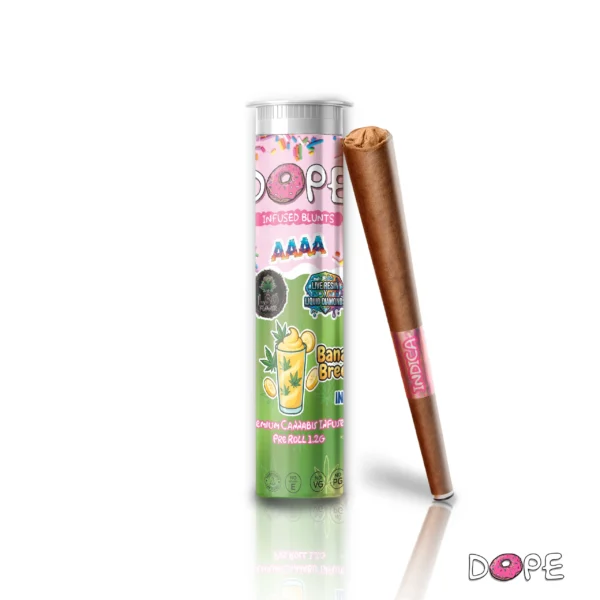 Pre-Rolls6 products
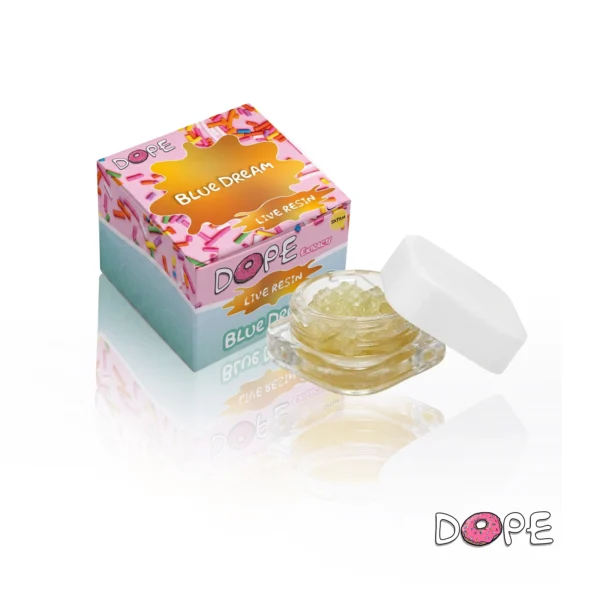 Packaged Extracts5 products
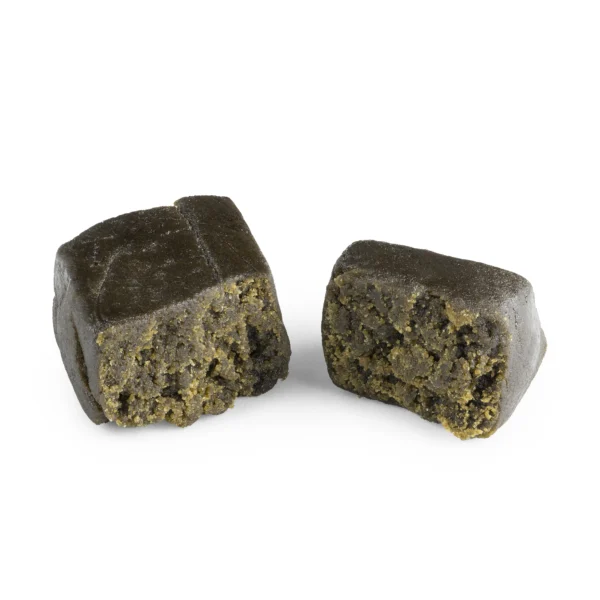 Hash3 products
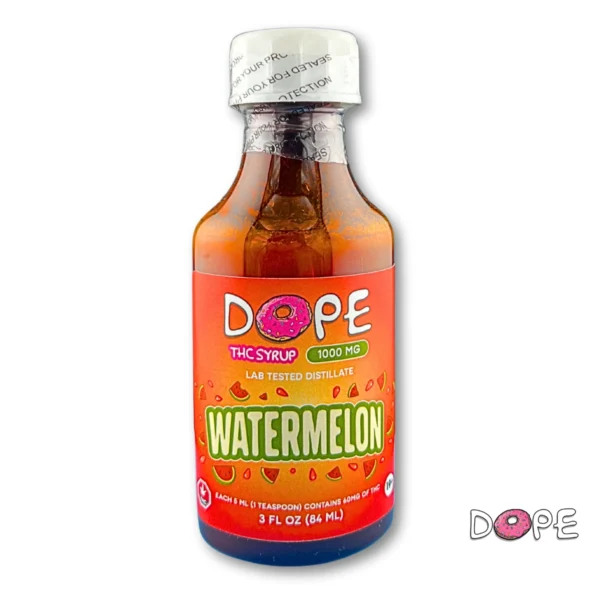 Edibles1 product
 Bulk
Bulk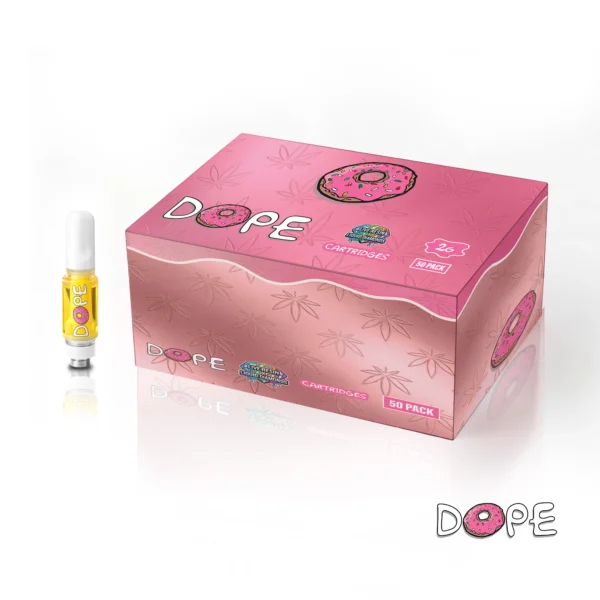 DOPE Cartridge 2gMix n match case
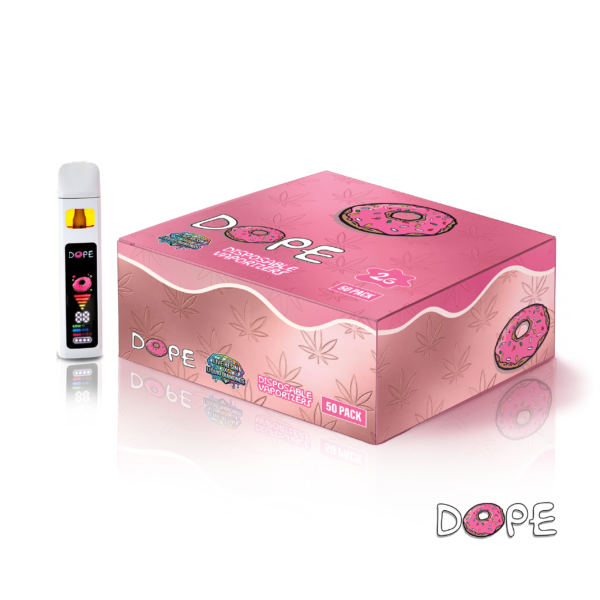 DOPE Disposable 2gMix n match case
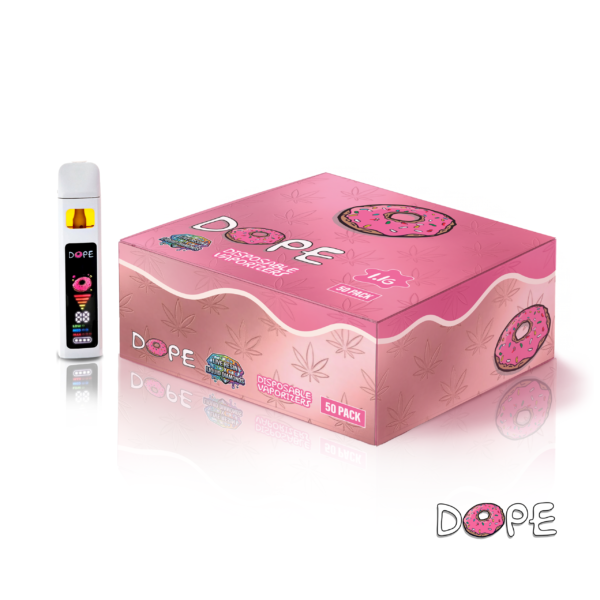 DOPE Disposable 1.1gMix n match case
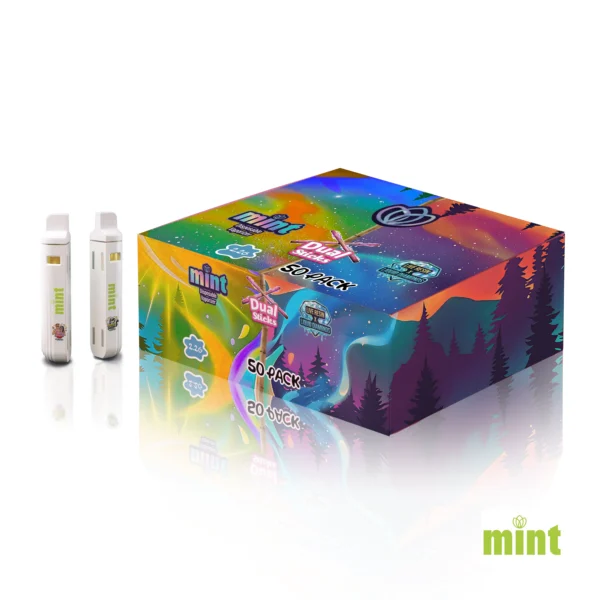 Mint Dual Sticks 2.2gMix n match case
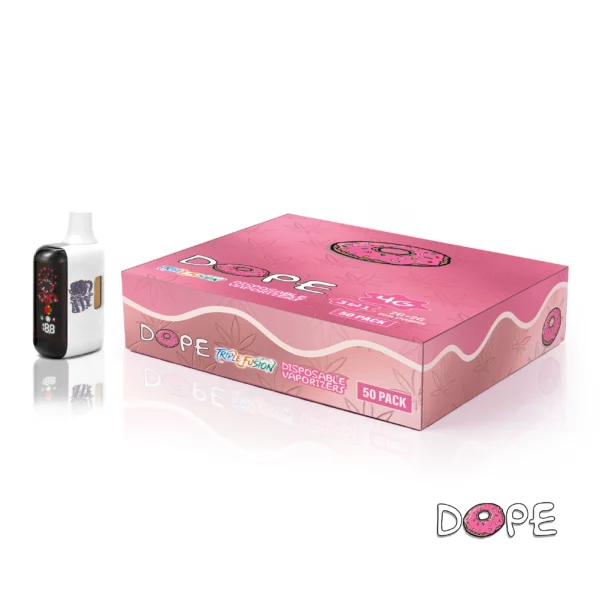 DOPE Triple Fusion 4gMix n match case
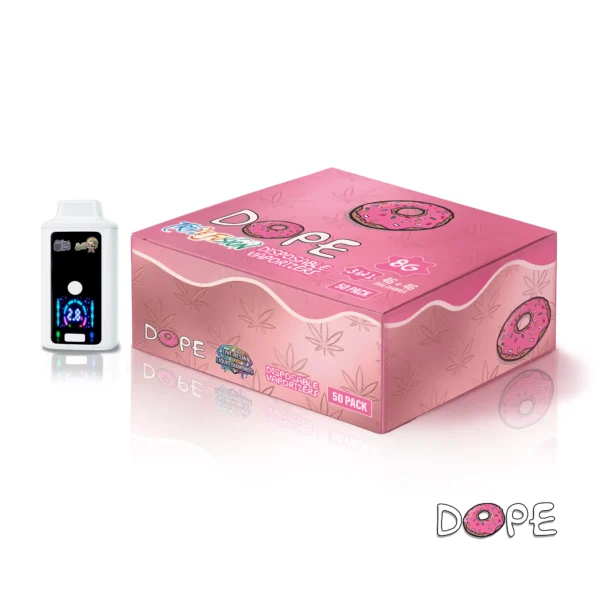 DOPE Triple Fusion 8gMix n match case
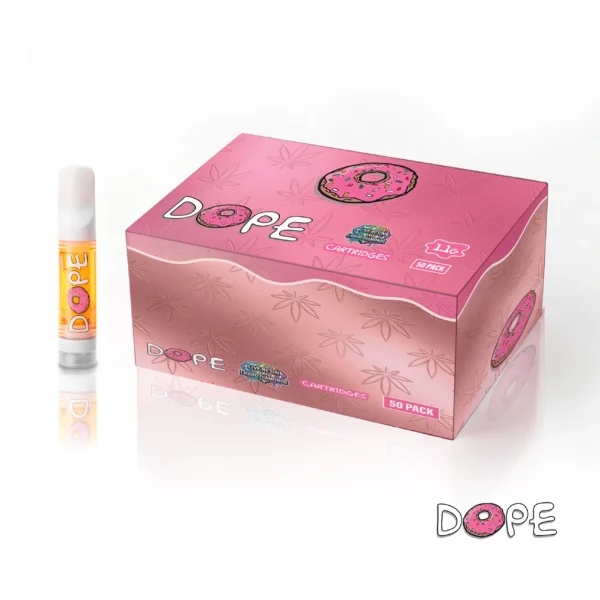 DOPE Cartridge 1.1gMix n match case
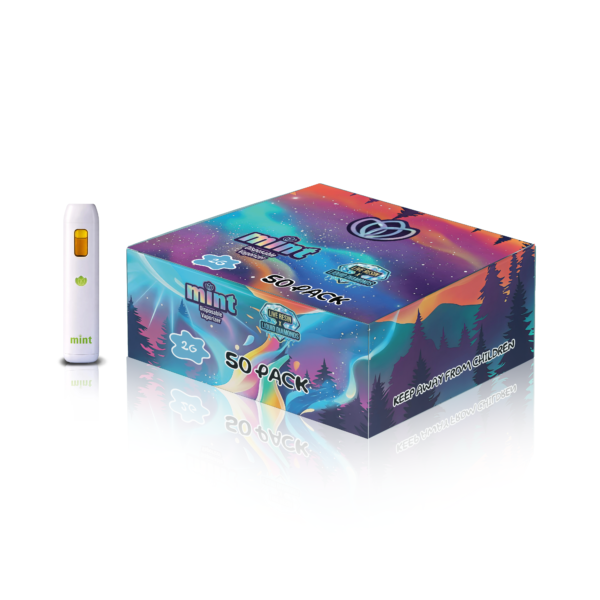 Mint Disposable 2gMix n match case
 Flower
 AAAA+15 products
 AAA+20 products
 Indica22 products
 Sativa7 products
 Hybrid9 products
 Ounce Deals34 products
 Bulk Flower21 products
 Vapes
Vapes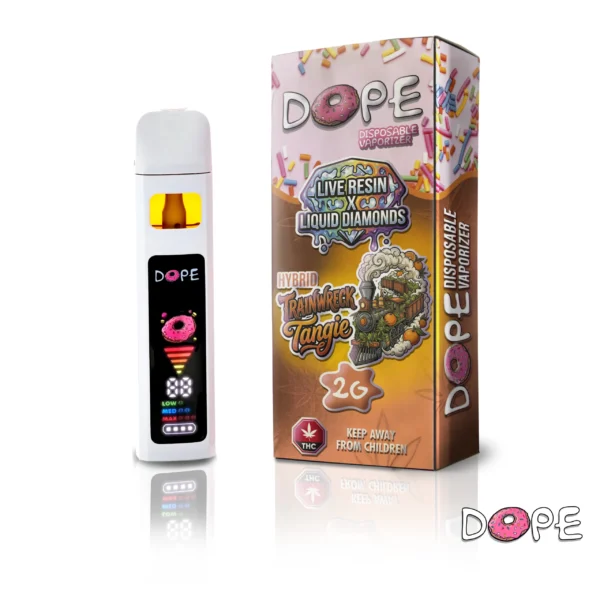 Disposable17 products
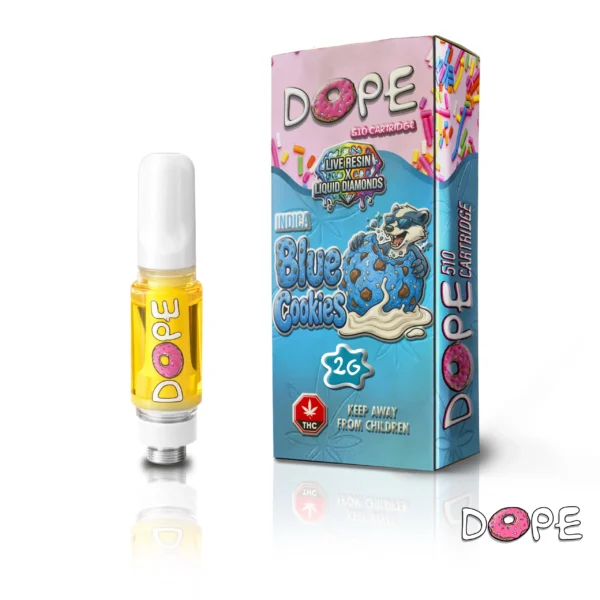 510 Cartridge5 products
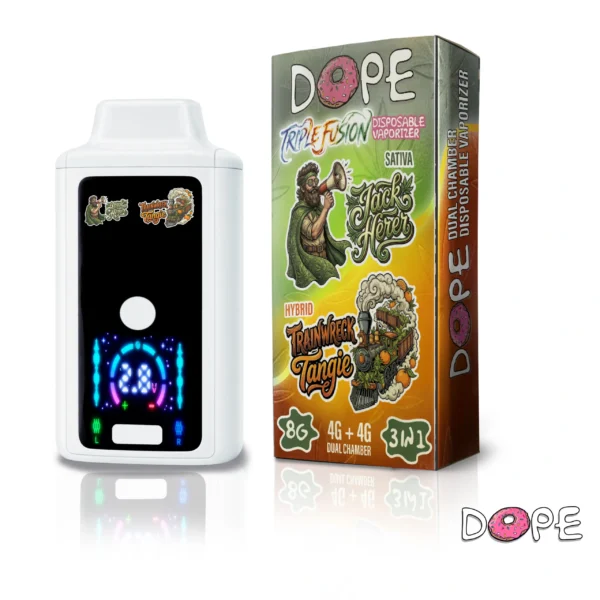 NewDOPE Triple Fusion4 products
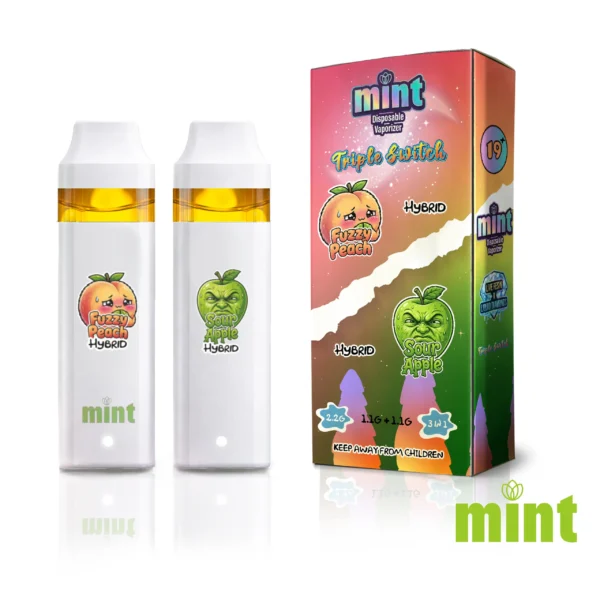 NewMint Triple Switch1 product
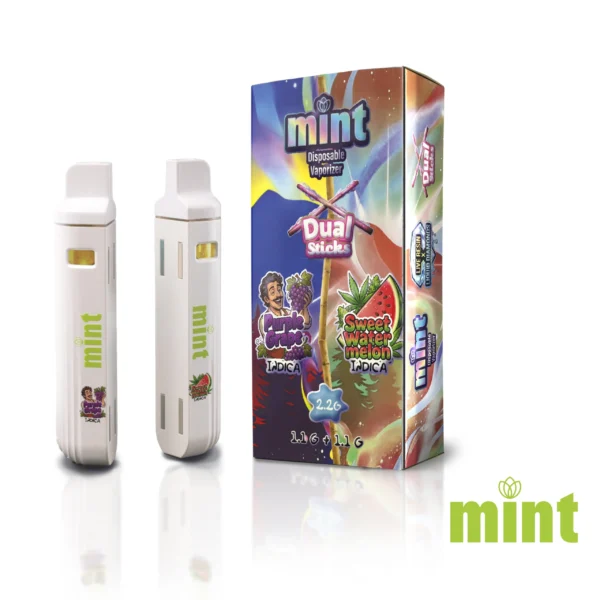 NewMint Dual Sticks2 products
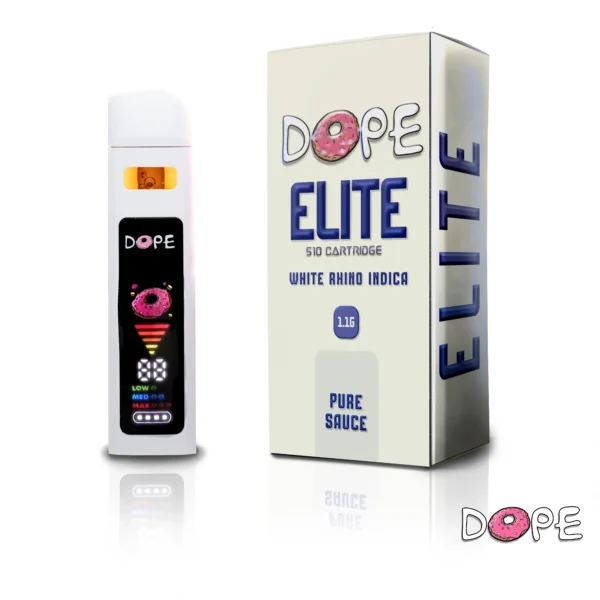 DOPE19 products
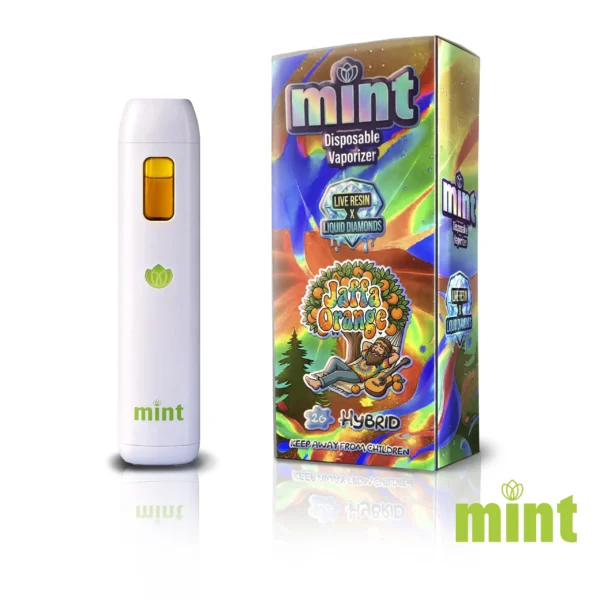 MINT7 products
 Pre-Rolls
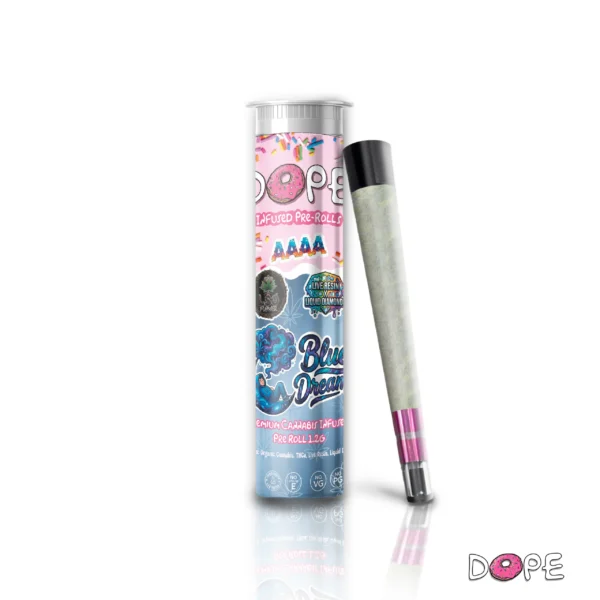 Infused6 products
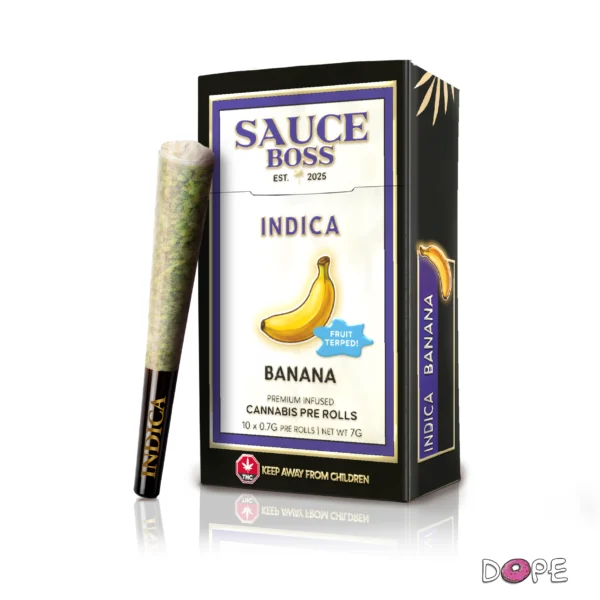 Infused Packs2 products
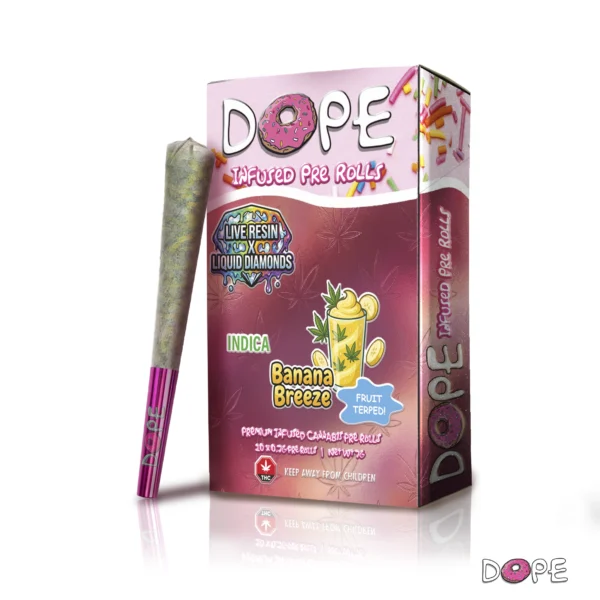 DOPE Infused Packs10 x 0.7g pack
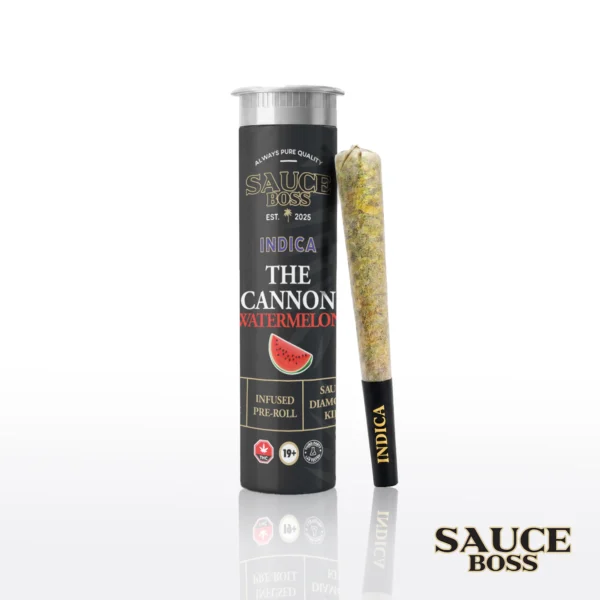 Sauce Boss InfusedThe Cannon, 1.2g tube
 Bulk Extracts & Oils
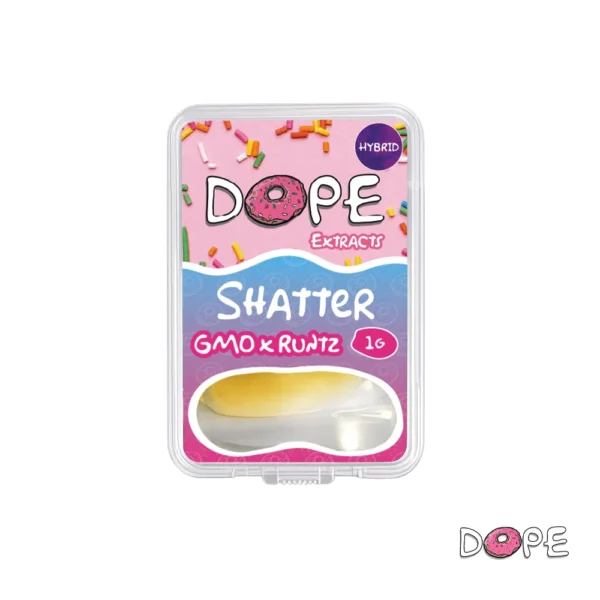 Shatter1 product
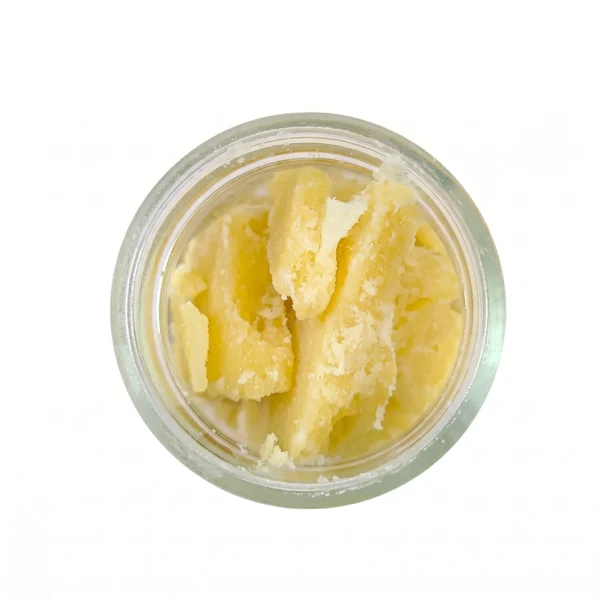 Budder1 product
 Packaged Extracts
 Hash
Hash Edibles
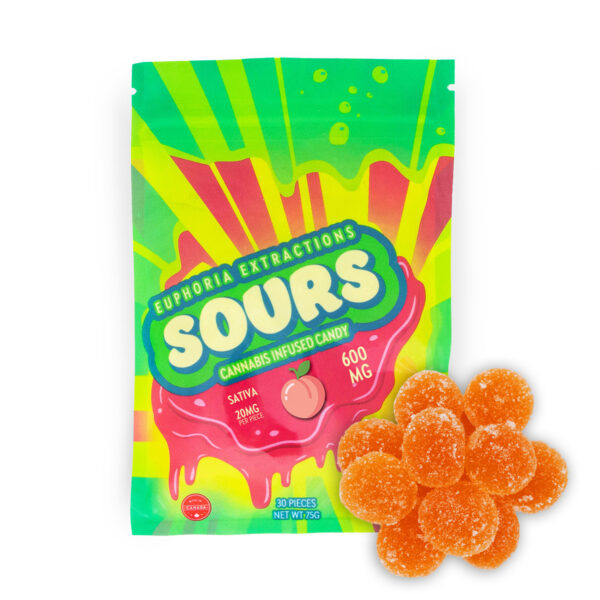 Euphoria Extracts7 products
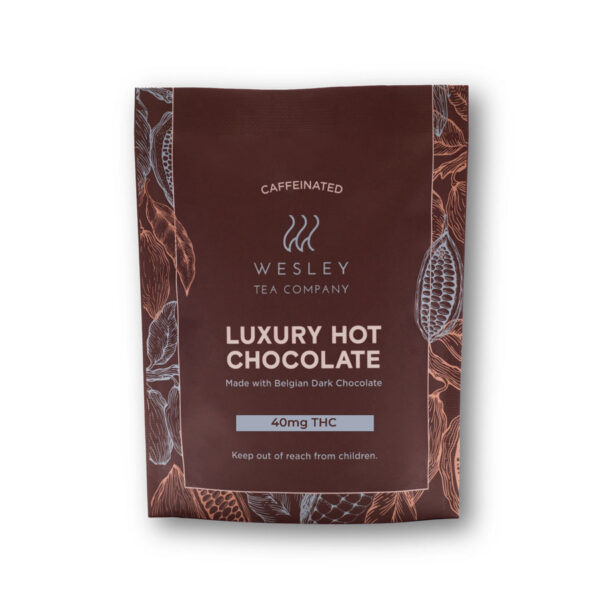 Wesley Tea1 product
 Herb Angels6 products
 Spa/Orals
 Herb Angels6 products
 Gear
Gear
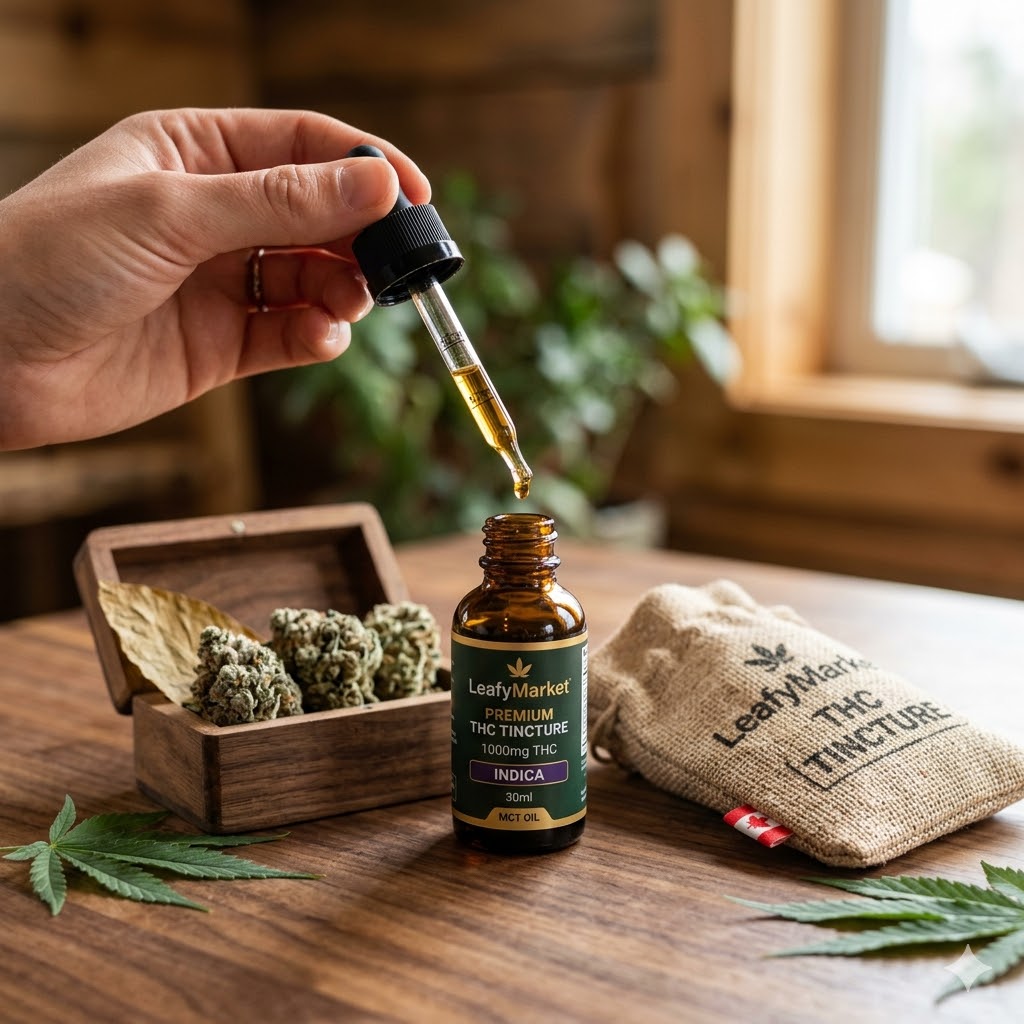
What Is Cannabis Tincture
Cannabis tincture is liquid cannabis extract held under the tongue for 60 seconds - fast onset, precise dose, smoke-free.

What Is Cannabis Tincture
Last updated: June 11, 2026
TL;DR
Cannabis tincture is a liquid cannabis extract dissolved in alcohol, MCT oil, or glycerin. Held under the tongue for 60 seconds, it absorbs through sublingual blood vessels and produces effects in 15-45 minutes – much faster than edibles but slower than smoking. Dosed by the dropper, easy to titrate, completely smoke-free, and shelf-stable for 1-2 years. The most precise way to dose THC or CBD without inhaling anything.
What is a cannabis tincture?
A cannabis tincture is a concentrated liquid cannabis extract made by dissolving cannabinoids and terpenes into an alcohol, MCT oil, or vegetable glycerin base. Originally a medical preparation dating back to the 1800s, tinctures were on the U.S. Pharmacopoeia until cannabis prohibition removed them in 1942. Modern tinctures are made with precision dosing (per-mL THC and CBD content stated on the label) and standardized extraction methods.

How do you use cannabis tincture?
Three main routes:
- Sublingual – drop under the tongue, hold for 60-90 seconds, swallow. Onset 15-45 minutes.
- Oral – drop directly into the mouth or food. Onset 45-120 minutes like an edible.
- Mixed into drinks – infused into tea, coffee, smoothies. Onset varies.
Sublingual is the gold-standard method – the highly vascular tissue under the tongue lets cannabinoids absorb directly into bloodstream, bypassing first-pass liver metabolism. This is what gives tinctures their faster onset and more predictable potency than swallowed edibles.
How is it different from regular edibles?
Key differences:
- Onset: 15-45 min sublingual vs 45-120 min edible
- Duration: 4-6 hours sublingual vs 6-8 hours edible
- Dose precision: tincture droppers measure to the 0.25 mL, edibles come in fixed mg portions
- Predictability: tinctures less dependent on stomach contents and food fat
- Discretion: tinctures discreet, no smell or smoke
For users wanting precise daily microdoses (2.5 mg, 5 mg), tinctures beat gummies hands down. For long-lasting evening doses (25 mg+), edibles still win on duration.
What dose should you start with?
Standard tincture potencies:
- Low-dose: 100-500 mg THC per 30 mL bottle (3-16 mg per mL)
- Mid-strength: 1000-1500 mg THC per 30 mL bottle (33-50 mg per mL)
- High-strength: 2000-3000 mg THC per 30 mL bottle (66-100 mg per mL)
New users start with 2.5-5 mg sublingually and wait 60 minutes before adding more. Veteran users dose 10-25 mg per session. CBD-dominant tinctures dose higher (25-50 mg) because CBD has no acute psychoactive ceiling. Our THC tincture lineup covers the full potency range.

What carrier oils are used?
Three common bases, each with trade-offs:
- MCT oil (coconut-derived) – tasteless, fast absorption, vegan, shelf-stable 12-18 months
- Alcohol (food-grade ethanol) – sharpest absorption, slight burning taste, longer shelf life (2+ years)
- Vegetable glycerin – sweetest taste, slower absorption, kid-product friendly
MCT oil is the most popular in modern Canadian tinctures because it tastes neutral and absorbs cleanly under the tongue. Alcohol-based tinctures hit fastest but the ethanol can irritate sensitive mouth tissue.
How long do tinctures last?
Shelf life depends on base:
- Alcohol-based: 2-3 years in cool dark storage
- MCT-based: 12-18 months refrigerated
- Glycerin-based: 6-12 months refrigerated
Stored properly, tinctures hold cannabinoid potency longer than flower, hash, or even most edibles. Light and heat are the only real enemies – amber dropper bottles in a dark cabinet stay potent indefinitely within the stated window.
How are tinctures made?
Two common processes:
- Cold-extraction – dried flower soaked in high-proof alcohol for weeks at 0C, filtered, alcohol partially evaporated to concentrate
- Decarbed distillate dilution – decarboxylated THC distillate dissolved into MCT oil at a fixed mg/mL ratio
Cold-extraction preserves more of the natural plant terpenes for full-spectrum effects. Distillate dilution delivers more precise per-mL dosing but lacks the natural terpene synergy. Both methods are legal in licensed Canadian production.
Can you cook with a tincture?
Yes, but heat affects potency. Adding to cold drinks, dressings, or finished food preserves all the THC. Cooking above 160C (320F) starts to degrade THC into CBN over time. For baking, use the tincture as-is in batter and bake at the lowest temperature your recipe allows. Best practice: add tincture after cooking when possible.
How discreet are tinctures?
Very. The dropper bottle resembles a vitamin or essential-oil container. No smell when sealed. A 0.5-1 mL dose under the tongue takes 5 seconds and produces no visible behaviour. Most users can take a tincture in public without anyone noticing. This is why tinctures became popular among professionals who need cannabis for sleep or anxiety but cannot smoke around housing, work, or kids.
Are tinctures legal in Canada?
Yes, sold by licensed Canadian producers under the Cannabis Act. Standard 30 mL bottles contain 100-3000 mg THC depending on strength. Possession limits apply the same way as other cannabis products – one tincture bottle equals 5-15 grams of dried-cannabis equivalent depending on total THC. Federal regulations at the Health Canada cannabis page.
Sources
- Russo EB. Taming THC: potential cannabis synergy and phytocannabinoid-terpenoid entourage effects. Br J Pharmacol, 2011.
- Health Canada Cannabis Regulations, 2024.
- Cannabis Pharmacopoeia. AMA Pharmacy, 1942 edition.
Related Cannabinoid Guides
Browse all cannabinoid articles in our Cannabinoid Guide hub.

 Terpy Vibes
 QuadZaZa
 Brindle Farms
 Hermit
 Vapes
Vapes Pre-Rolls
 Bulk Extracts & Oils
 Spa/Orals
 Gear
Gear