 DOPE30 products
 MINT8 products
 Sauce Boss3 products
 Herb Angels6 products
 Wesley Tea1 product
 Euphoria Extracts7 products
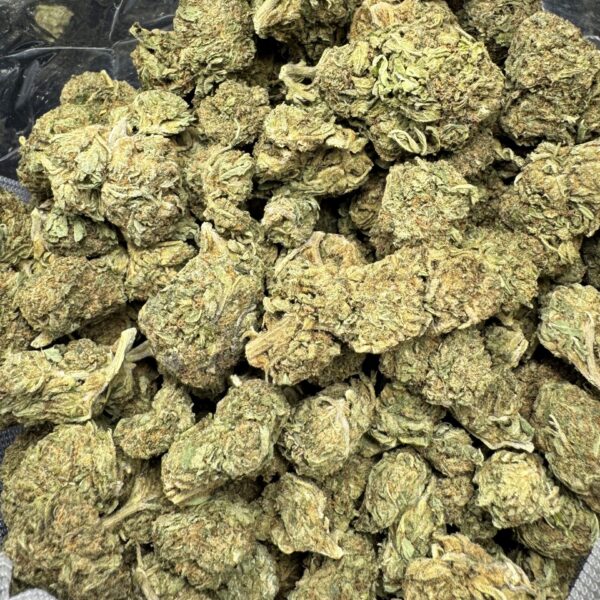 Flower59 products
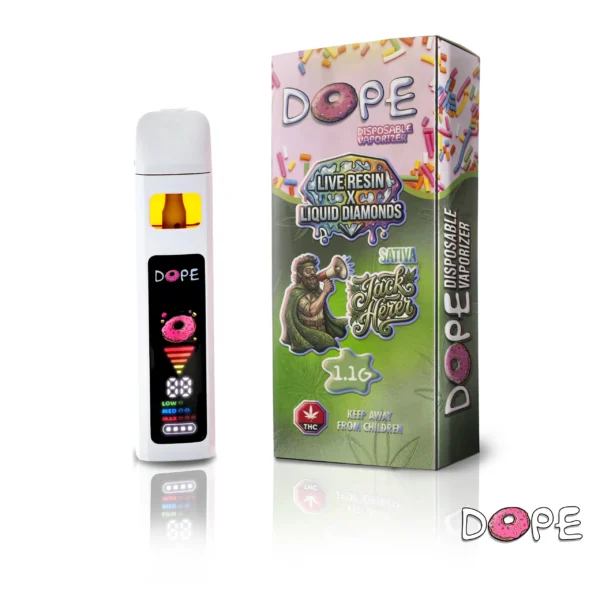 Vapes21 products
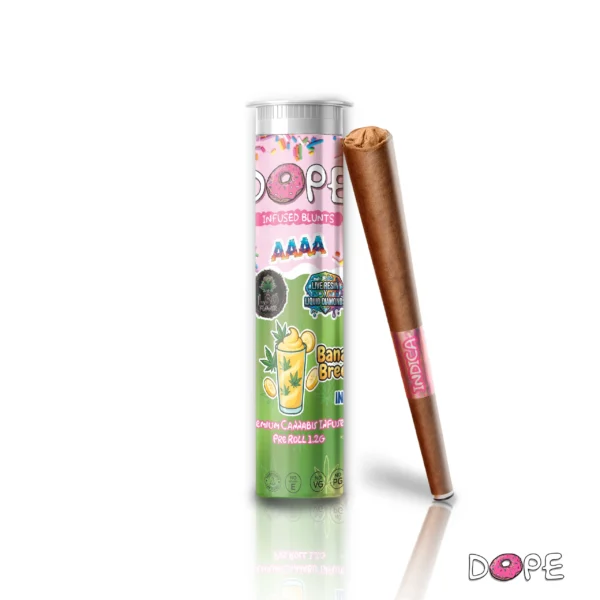 Pre-Rolls5 products
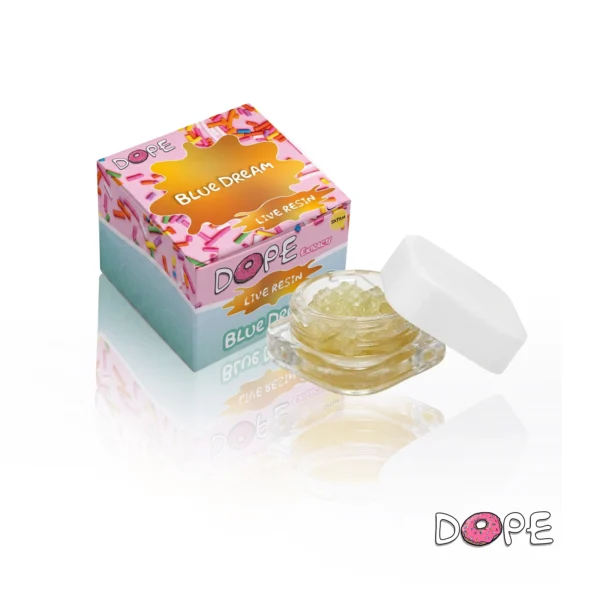 Packaged Extracts12 products
 Hash4 products
 Edibles1 product
 Caffeine Pouches1 product
 Gear11 products
 Bulk
Bulk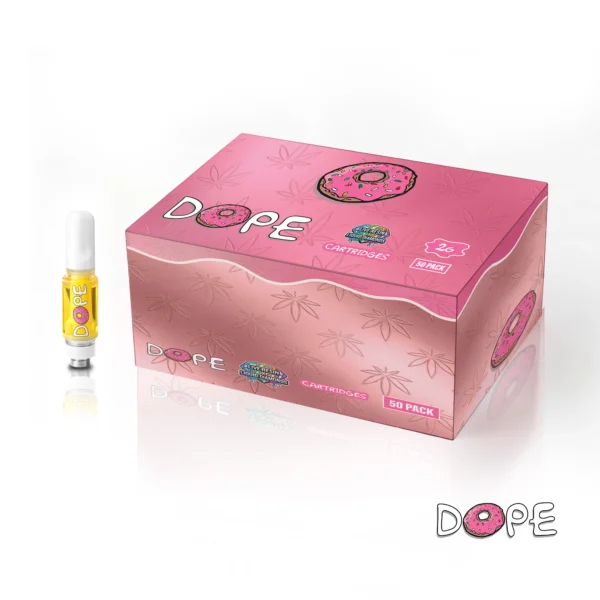 DOPE Cartridge 2gMix n match case
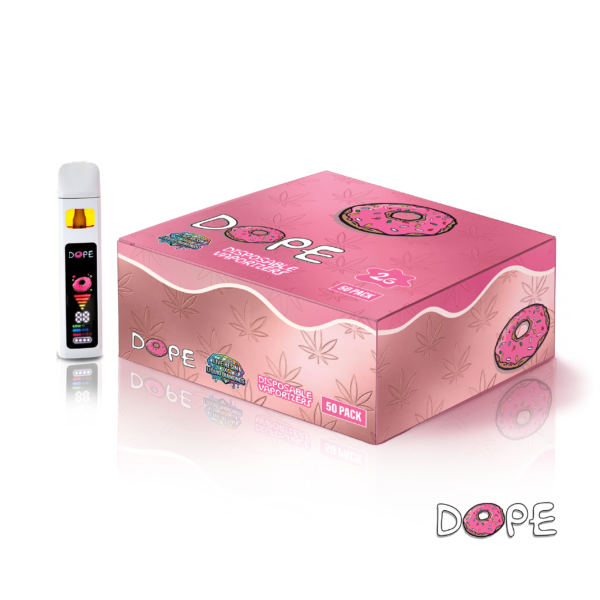 DOPE Disposable 2gMix n match case
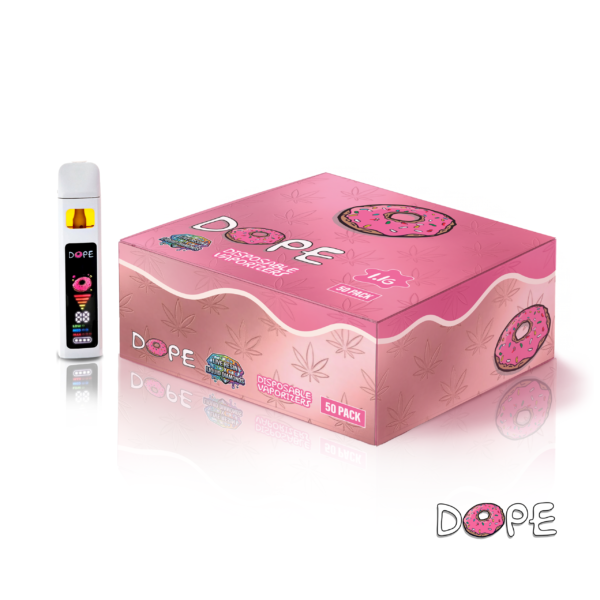 DOPE Disposable 1.1gMix n match case
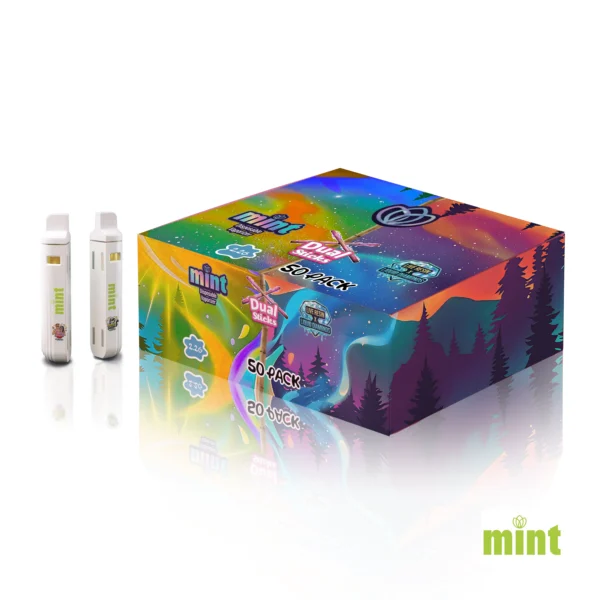 Mint Dual Sticks 2.2gMix n match case
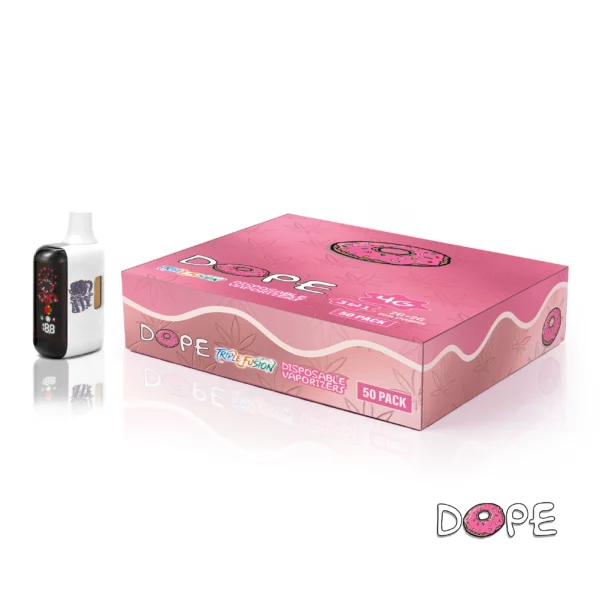 DOPE Triple Fusion 4gMix n match case
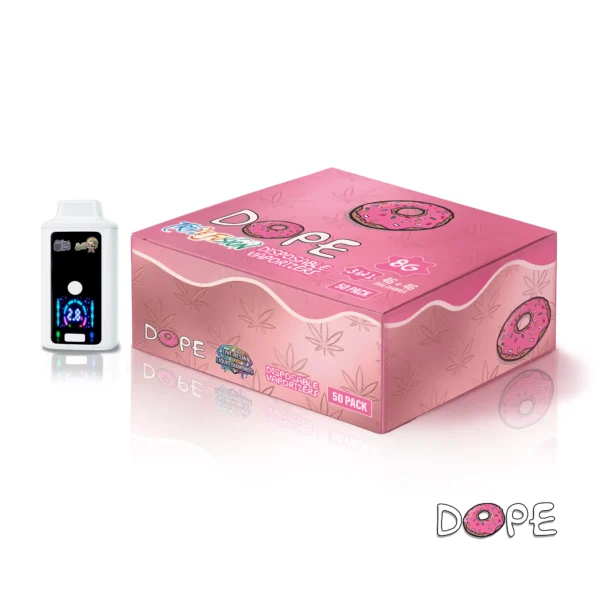 DOPE Triple Fusion 8gMix n match case
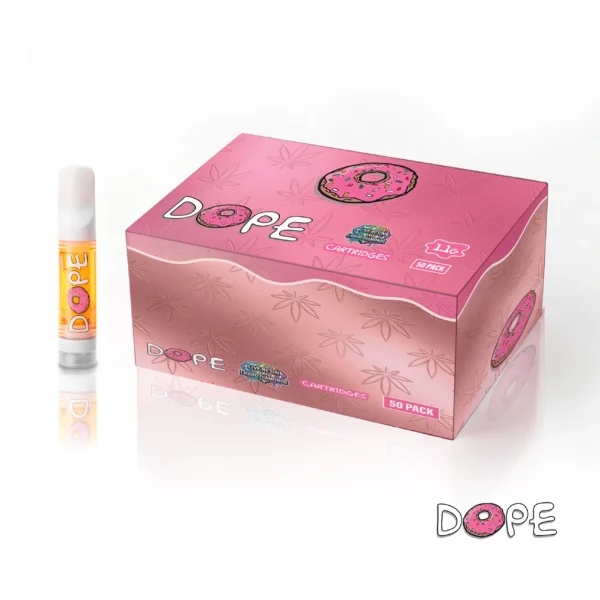 DOPE Cartridge 1.1gMix n match case
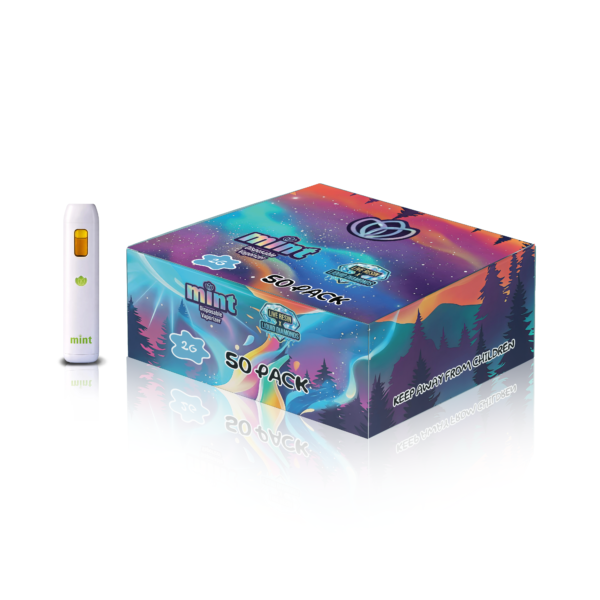 Mint Disposable 2gMix n match case
 Flower
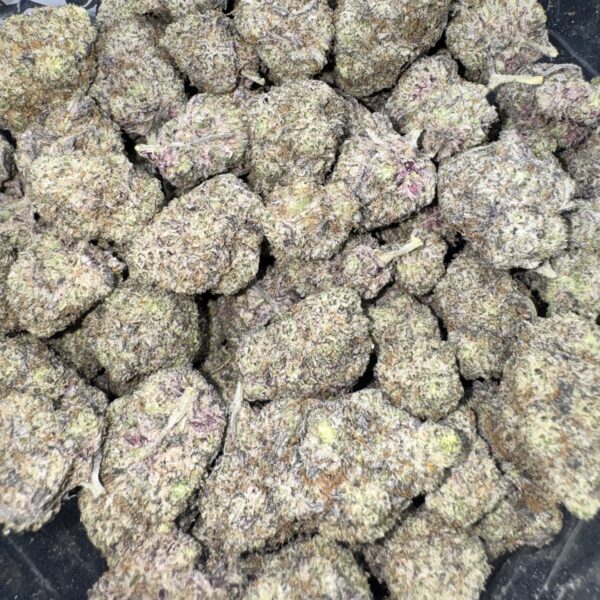 AAAA+8 products
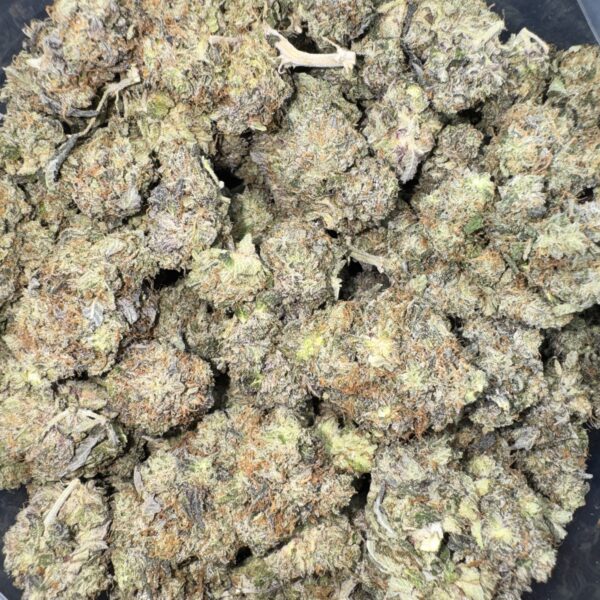 AAA+30 products
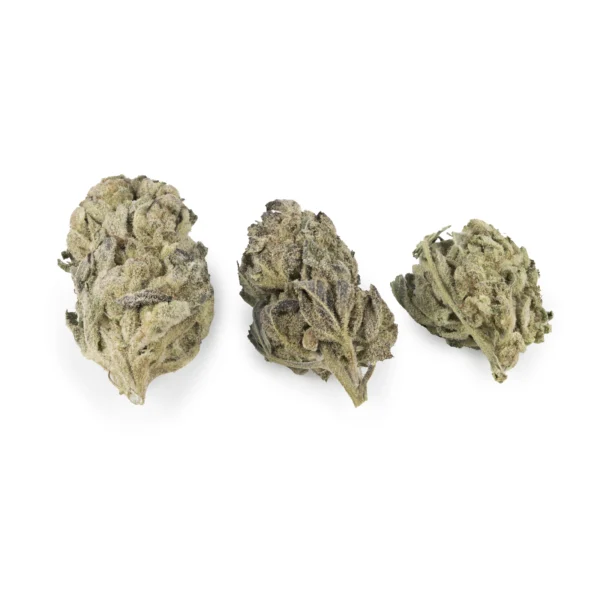 Indica14 products
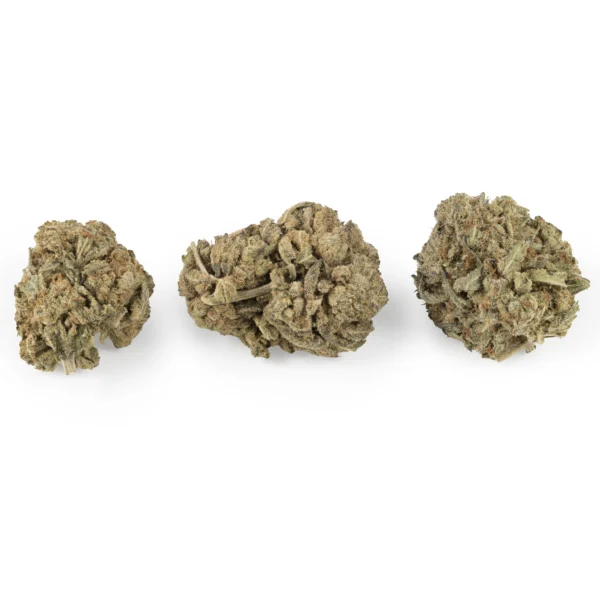 Sativa6 products
 Hybrid12 products
 Ounce Deals33 products
 Bulk Flower23 products
 Vapes
Vapes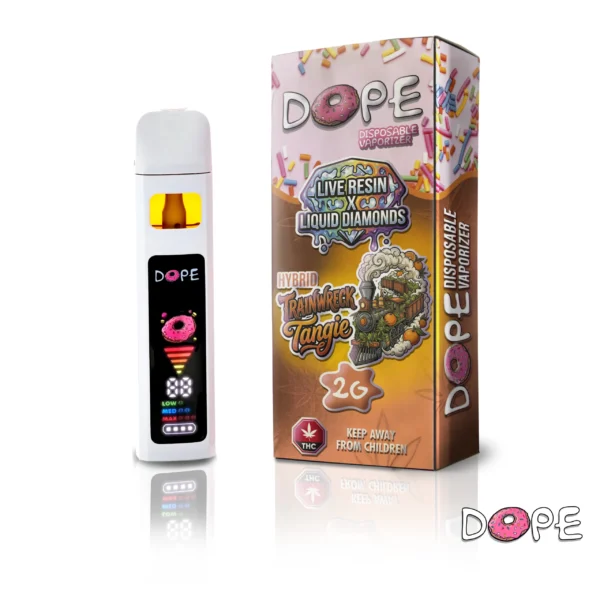 Disposable17 products
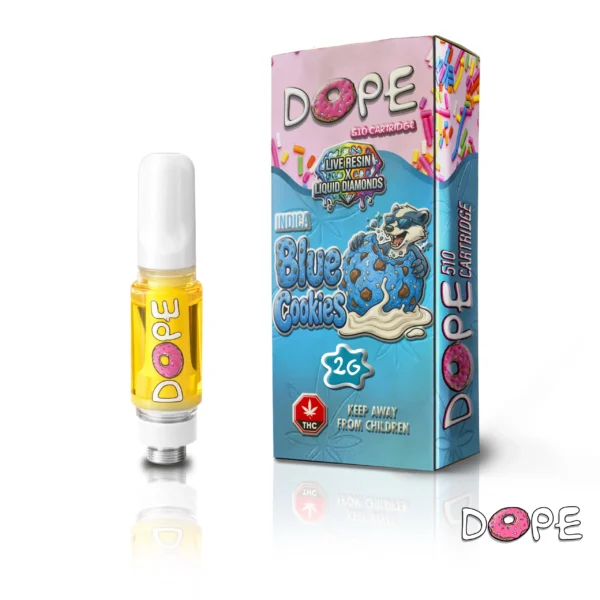 510 Cartridge4 products
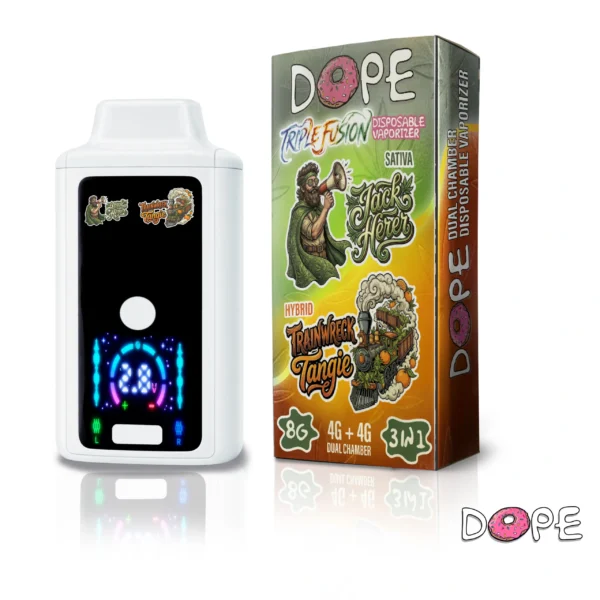 NewDOPE Triple Fusion4 products
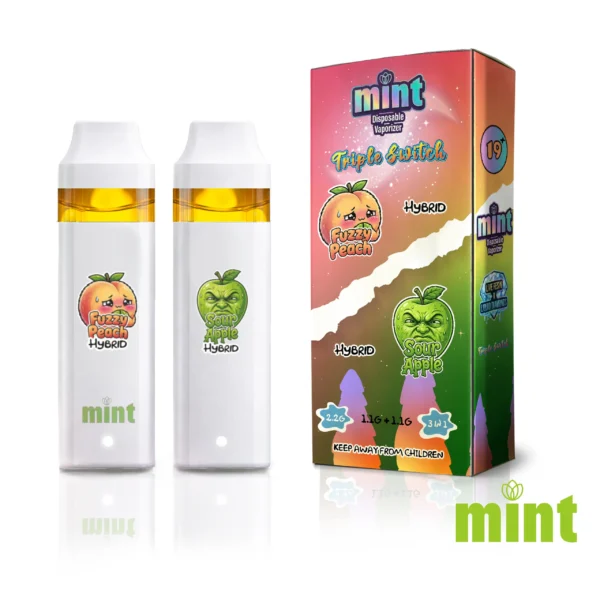 NewMint Triple Switch1 product
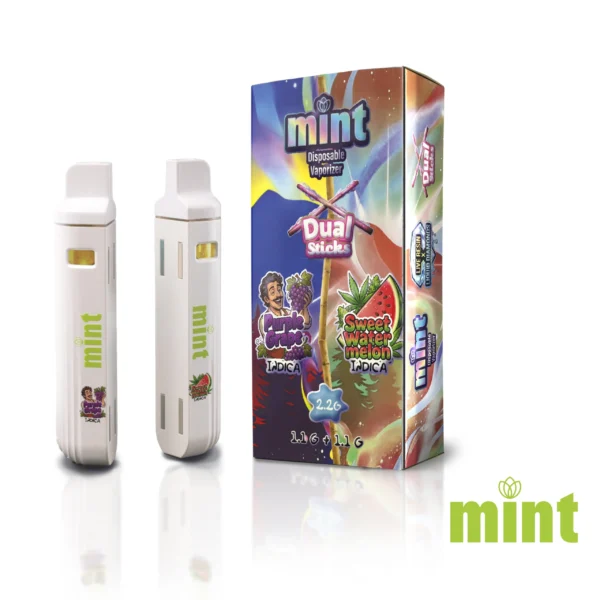 NewMint Dual Sticks2 products
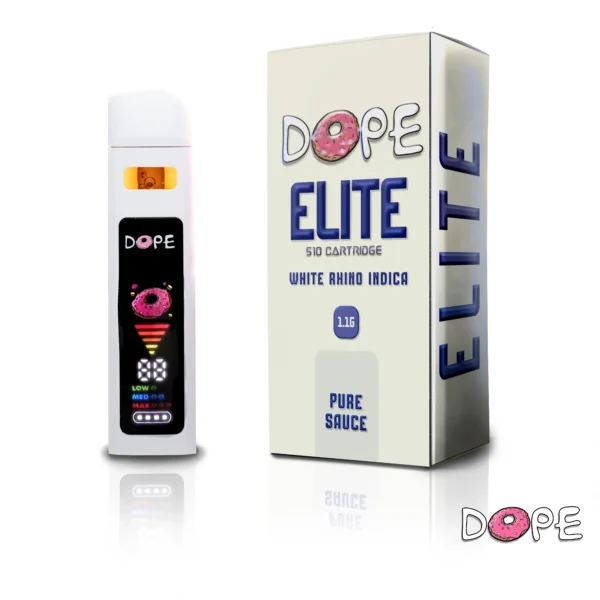 DOPE30 products
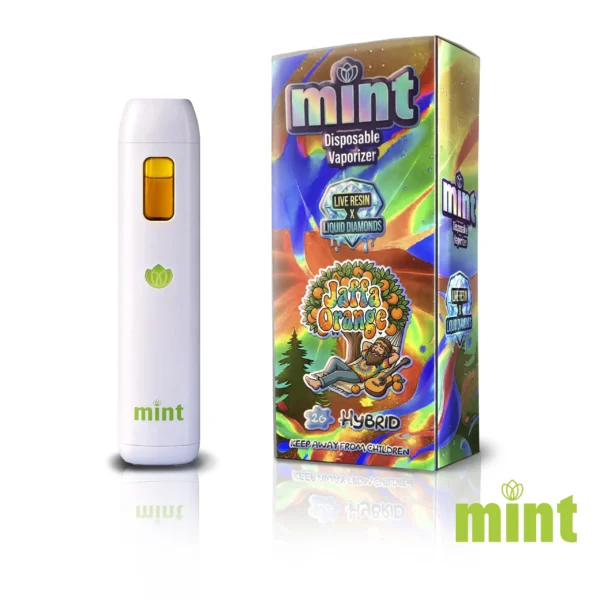 MINT8 products
 Pre-Rolls
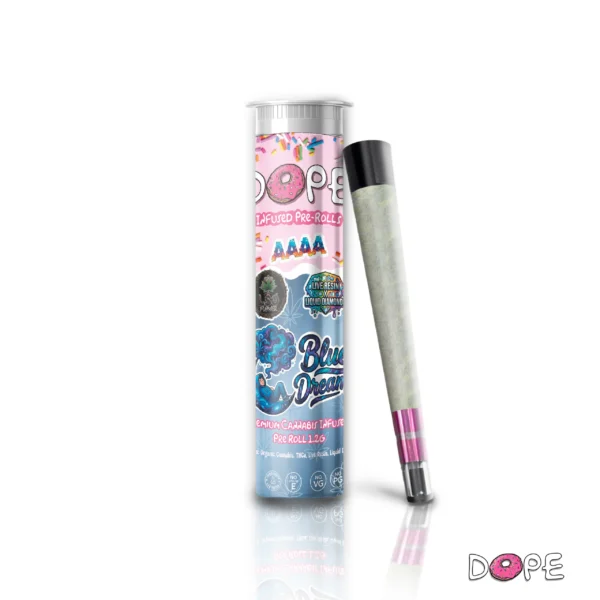 Infused5 products
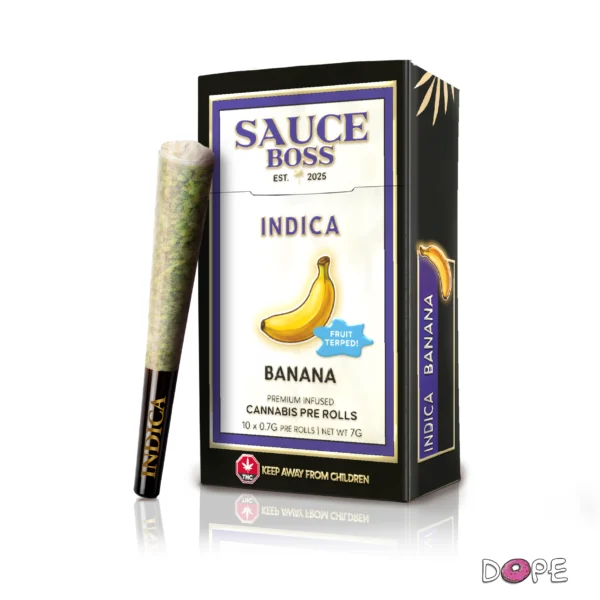 Infused Packs1 product
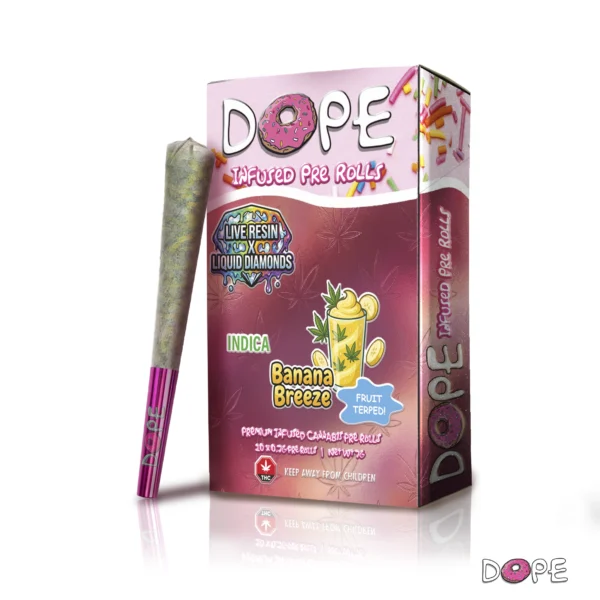 DOPE Infused Packs10 x 0.7g pack
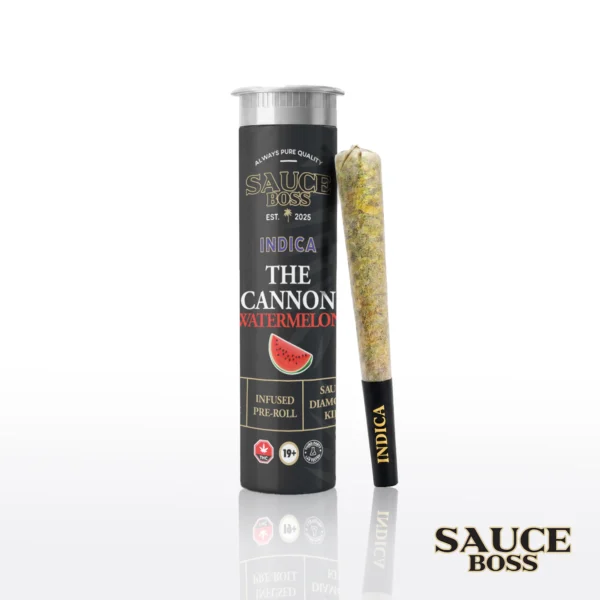 Sauce Boss InfusedThe Cannon, 1.2g tube
 Bulk Extracts & Oils
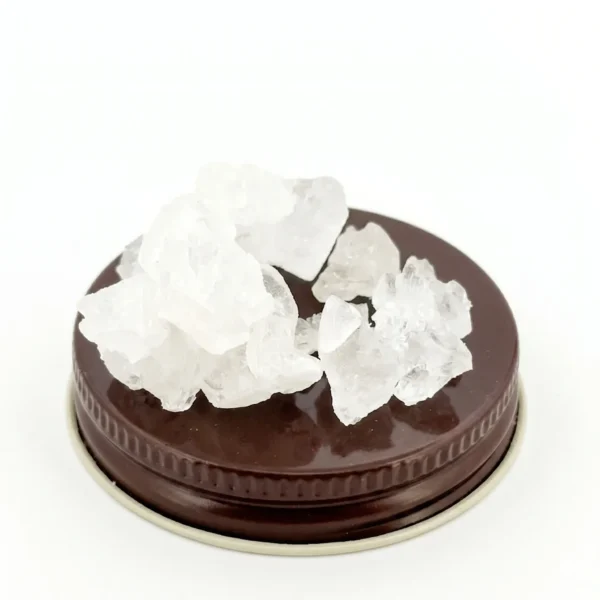 Diamonds3 products
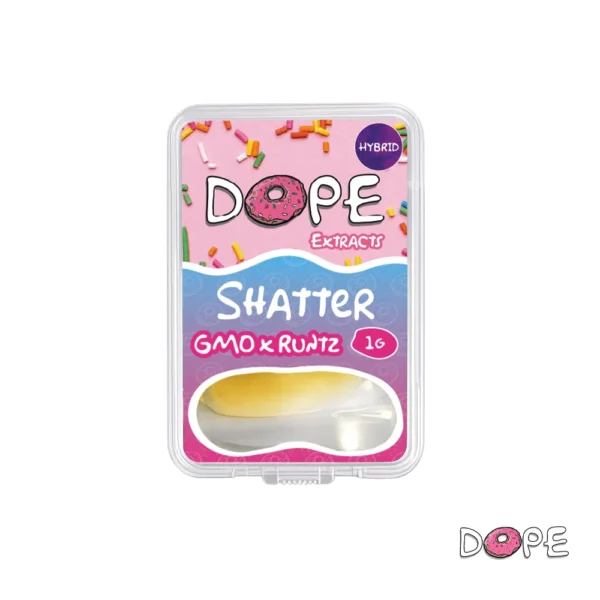 Shatter2 products
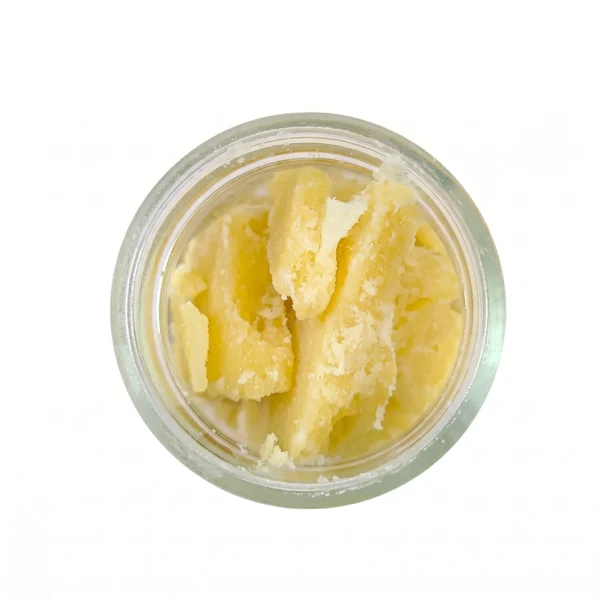 Budder2 products
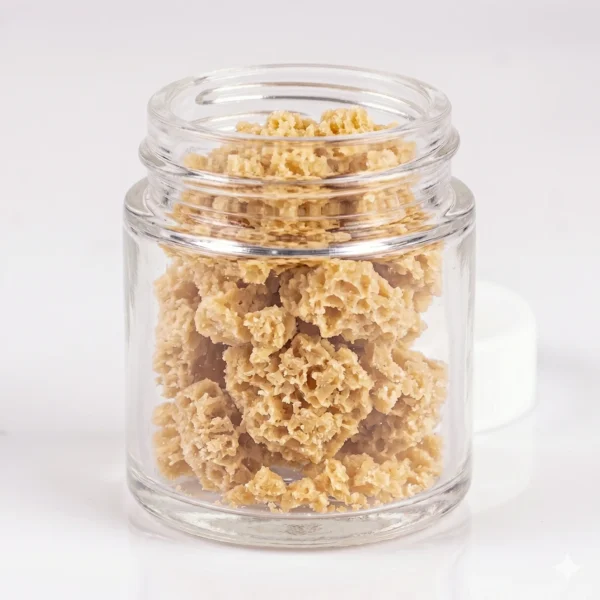 Crumble1 product
 Packaged Extracts
 Hash
Hash Edibles
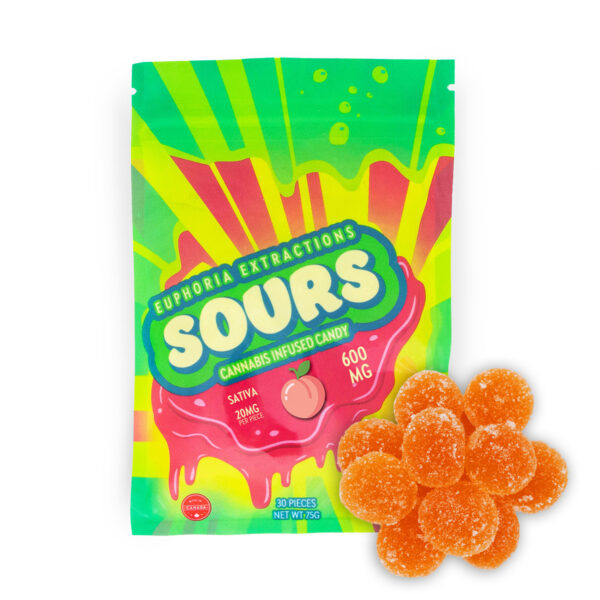 Euphoria Extracts7 products
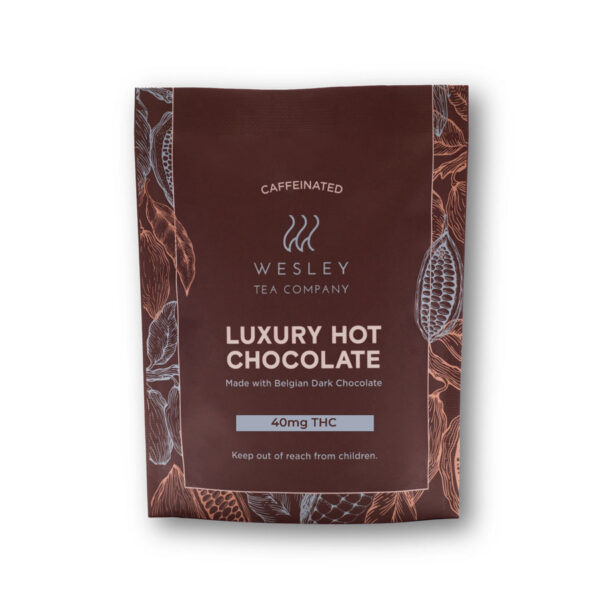 Wesley Tea1 product
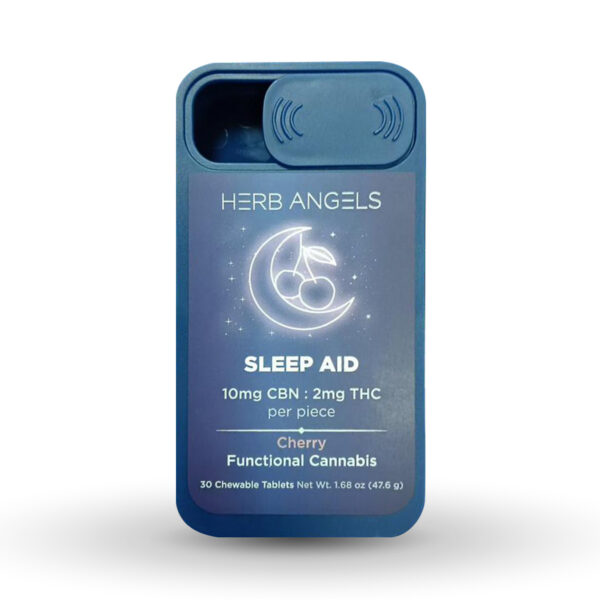 Herb Angels6 products
 Exotic Treats
 Energy
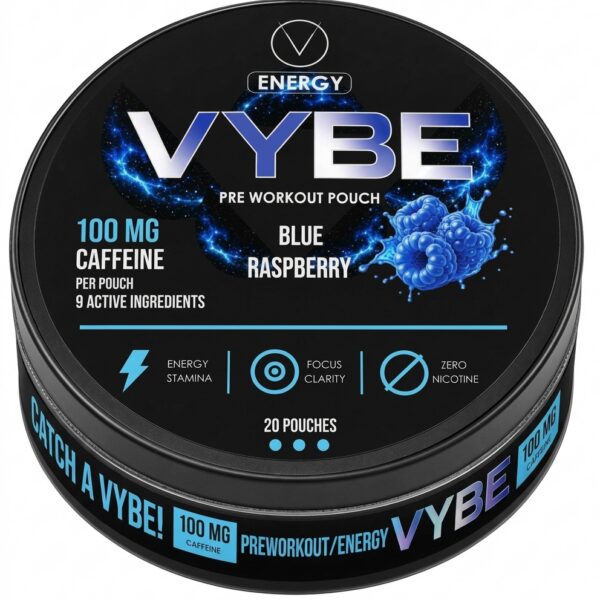 Blue Raspberry100mg
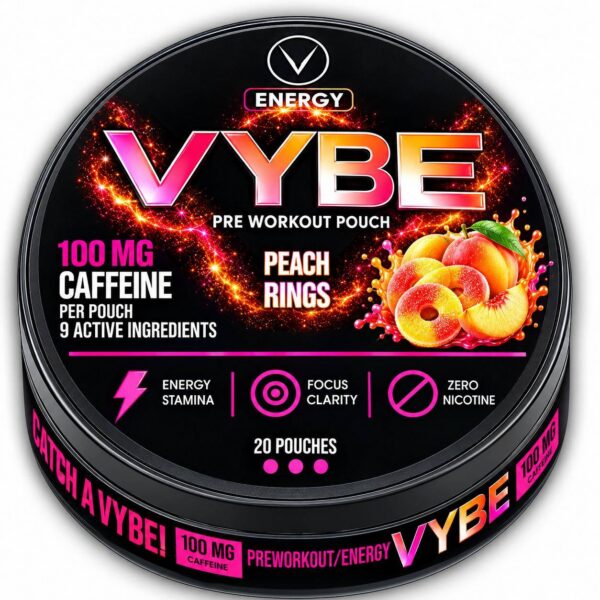 Peach Rings100mg
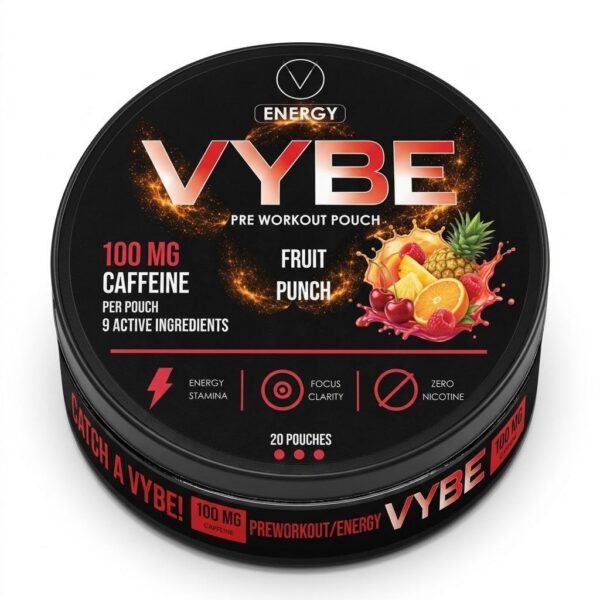 Fruit Punch100mg
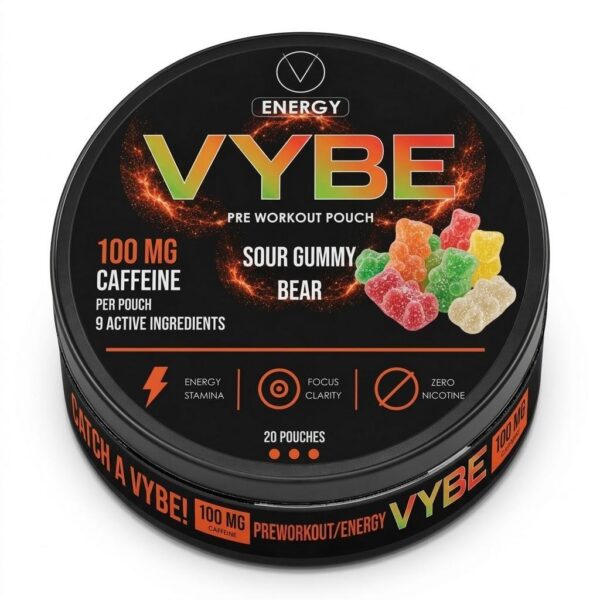 Sour Gummy Bear100mg
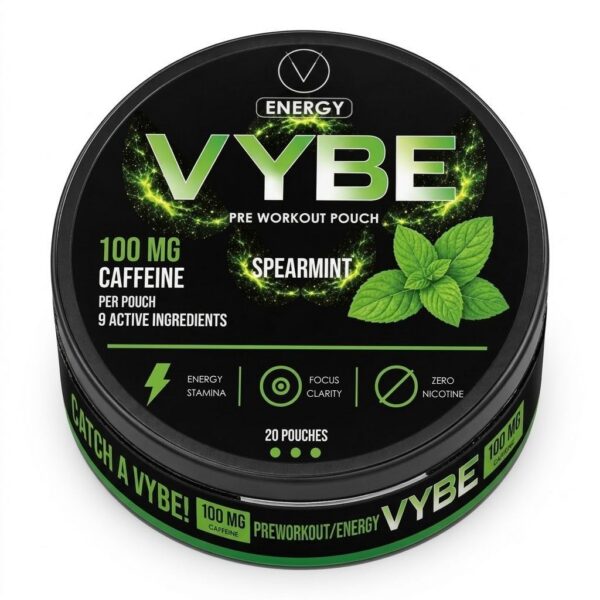 Spearmint100mg
 Wellness
 Male Enhancement
 Spa/Orals
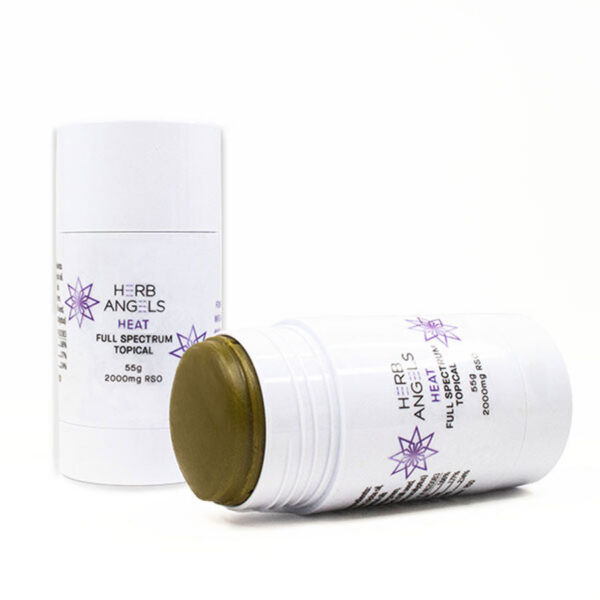 Herb Angels6 products
 Gear
Gear
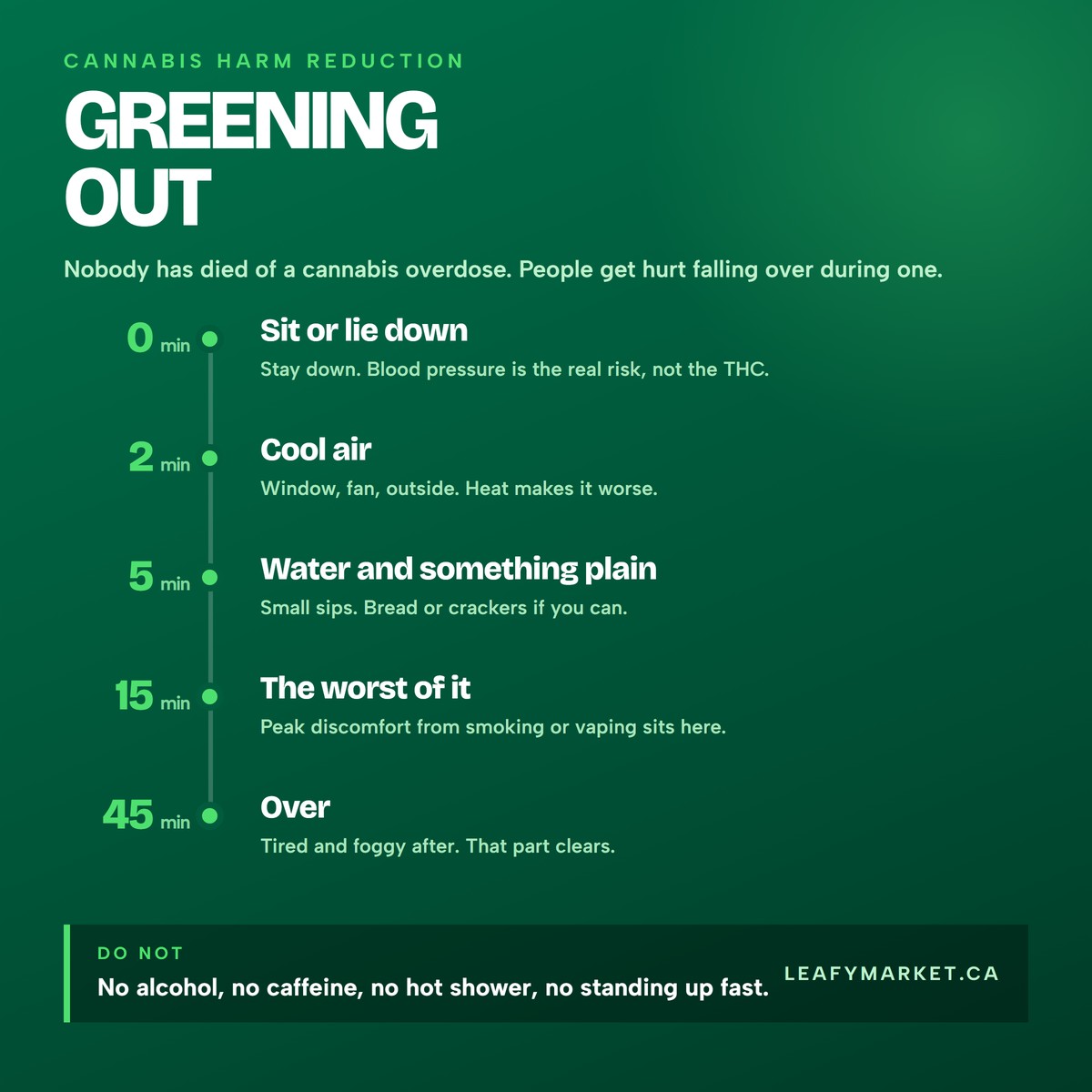
Greening Out: What To Do, Why It Happens, How Long It Lasts
Lie down, cool air, water, wait. What greening out is, the blood pressure reason it is risky, and the three situations that cause nearly all of it.

You went too far. You know you went too far, because your hearing has gone strange and the floor feels like it is reporting to someone else. This is greening out, and the two things worth knowing immediately are that it passes and that it is not dangerous in the way your body is currently insisting it is.
Everything else below is the detail. If you are reading this mid-episode, skip to the section on what to do.
What it looks like
The pattern is consistent enough that people recognise it from a list:
- Going pale and clammy, often with sweating that feels cold
- Nausea, sometimes vomiting
- The room spinning, or the sense that you are tilting while sitting still
- Sound arriving warped or distant, like being underwater
- Heart rate up, which then feeds the panic that something is seriously wrong
- Tingling or numb hands and face
- Needing to lie down immediately and not being able to explain why
- A narrowing of vision at the edges
Vomiting and the drop in blood pressure are what separate greening out from a plain uncomfortable high. One is being too stoned. The other is your body’s circulation and nausea response firing at the same time.
What is actually happening
Two mechanisms overlap, and the second one is the one almost nobody mentions.
CB1 receptor saturation. THC binds to receptors that are distributed through the brain, including regions handling anxiety, spatial orientation and nausea. Flood them and those systems misreport. The spinning and the fear are both coming from the same place.
Blood pressure. THC is a vasodilator and it briefly drops blood pressure. Standing up when that is happening produces orthostatic hypotension, which is the clinical name for the grey-out when you rise too fast. This is the actual reason people faint while greening out, and it is why the single most useful instruction in this entire article is to stay down.
Nobody has ever died from a cannabis overdose. People have been hurt by falling over during one. Those two facts together are the whole safety picture.
What to do, in order
Sit or lie down and stay there. On the floor is fine, the floor is excellent. Do not get up to go anywhere, including to the bathroom, unless you genuinely have to, and then go slowly with a hand on a wall.
Get cool air. Window open, fan on, step outside if you can do it without stairs. Heat makes the blood pressure side worse, which is why this happens more often in a hot room.
Drink water, slowly. Small sips. Gulping when you are nauseous invites the obvious.
Eat something plain if you can. Bread, crackers, anything bland. Low blood sugar is a quiet contributor and most people who green out have not eaten properly that day.
Keep someone nearby if there is anyone around. Not to do anything, just to be there. Most of the worst of this is the fear that it will not stop, and that is much louder alone.
Count the time. Peak discomfort from smoking or vaping runs roughly fifteen to forty-five minutes. From an edible it is longer and you need to settle in. Knowing a number helps more than you would expect, because the thing your brain is telling you is that it is permanent.
Things that do not help
Coffee or energy drinks. You already have an elevated heart rate and anxiety. Do not add a stimulant to that.
A drink to take the edge off. Alcohol raises THC absorption. It will make this worse, measurably, and it is the most common mistake people make.
A hot shower. Heat and standing are the two things working against you. A cool cloth on the back of the neck does the job without either.
Smoking more to even it out. Said more often than you would think.
Black pepper. The internet loves this one. The theory involves beta-caryophyllene and there is nothing resembling evidence that chewing peppercorns does anything. It is harmless, so if it occupies your hands for five minutes, fine.
The three situations that cause nearly all of it
An edible eaten on the assumption it was not working. Onset can run well past an hour depending on what is in your stomach. Second dose lands with the first and the result is the textbook version of this. If you take nothing else from this page, take the hour and a half rule.
Going from flower to a concentrate without adjusting. A concentrate is several times the potency of good flower and a dab is not a puff. People who smoke daily and consider themselves experienced get caught by this constantly, because the tolerance does not transfer the way they assume.
Smoking on an empty stomach, standing, in a warm room. Three small factors, and they stack. This is the version that ends with someone sitting on a kitchen floor wondering what went wrong, having smoked the same amount they always do.
There is a fourth, which is being handed something stronger than you were told it was. Known product from a known source removes that variable entirely, which is most of why the tier labels on a flower listing exist.
Avoiding it by product type
Flower. The tier is your dosing information. AAAA is not the same product as AA and the same bowl of each is not the same dose. If you are unsure of your own ceiling, the lower tiers are a more forgiving place to find it and they are cheaper while you do.
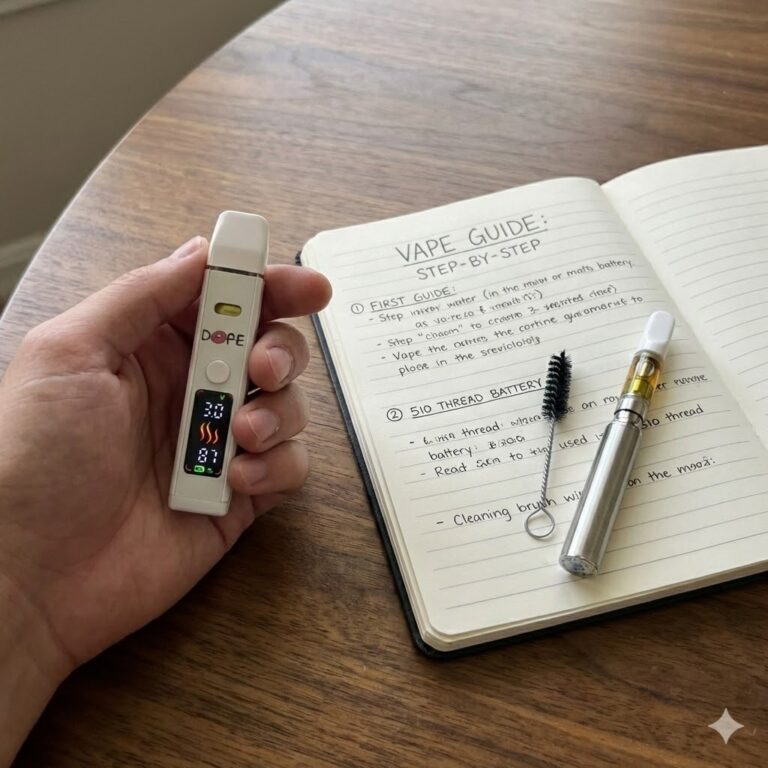
Vapes. The easiest category to overdo, because there is no bowl ending to tell you to stop. One pull, wait five minutes, decide. A disposable will happily let you take ten in a row.
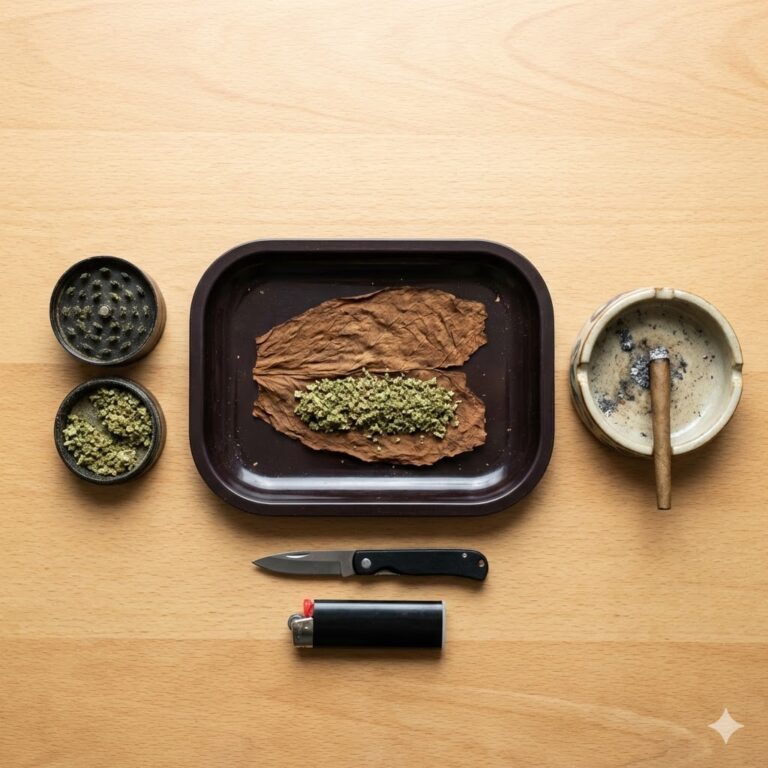
Pre-rolls and blunts. A full pre-roll is a larger dose than most people’s normal session. Smoking one alone, to the end, because it is lit, is a common route into this. Put it out, relight later.
Concentrates. Start at a fraction of what looks reasonable. Whatever amount seems small is probably still too much on a first attempt.
Edibles. Low dose, then ninety minutes of doing something else, then decide. Written on every package and ignored universally.
When it is not just greening out
This part matters and the harm reduction advice above assumes it does not apply.
Get actual medical help if there is chest pain that does not ease, breathing difficulty, a seizure, confusion about where you are or who is with you, vomiting that will not stop, or if the person cannot be roused. Also if alcohol or another substance is in the mix, because the interaction changes the picture and cannabis stops being the thing you are managing.
A hospital will not report you for this. They will put you somewhere quiet and monitor you, which is exactly what is needed, and the embarrassment is worth less than the alternative.
Questions
How long does it last?
Fifteen to forty-five minutes of the worst of it from inhaled cannabis. Several hours from an edible, with the heaviest part in the middle rather than at the start.
Will I feel rough tomorrow?
Often, yes. Tired, dehydrated, foggy. Water and food, and it clears.
Can it happen to a daily smoker?
Yes, and it does. Tolerance moves your ceiling, it does not remove it, and it does not transfer between product formats.
Does CBD stop it?
There is some evidence CBD moderates THC effects, but taking it mid-episode is not a reliable intervention and not something to rely on. Useful as a prevention strategy, not a rescue.
Is it the strain?
Less than people think. Dose, format, stomach contents and how you are feeling that day account for most of it. Sativa anxiety is real for some people but it is not the main variable.
Why did it happen this time and not last time?
Usually food, heat, sleep or stress. Same amount of cannabis genuinely does land differently depending on the day.
The short version
Lie down, cool air, water, wait it out. No alcohol, no caffeine, no hot shower, no standing up quickly. It ends.
Then on the next one: know what the product is, know what tier it is, and treat a new format as a new starting point rather than a continuation of your tolerance. Everything in the flower range is labelled by tier for exactly that reason.
Information only, not medical advice. If you are unwell, seek medical attention. Cannabis products are for adults of legal age in your province. Keep everything out of reach of children and pets.

 Terpy Vibes
 QuadZaZa
 Brindle Farms
 Hermit
 Vapes
Vapes Pre-Rolls
 Bulk Extracts & Oils
 Spa/Orals
 Gear
Gear