 DOPE30 products
 MINT8 products
 Sauce Boss3 products
 Herb Angels6 products
 Wesley Tea1 product
 Euphoria Extracts7 products
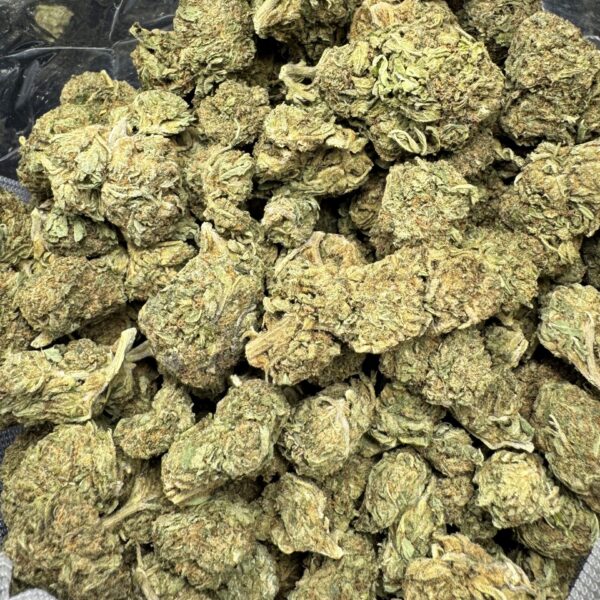 Flower59 products
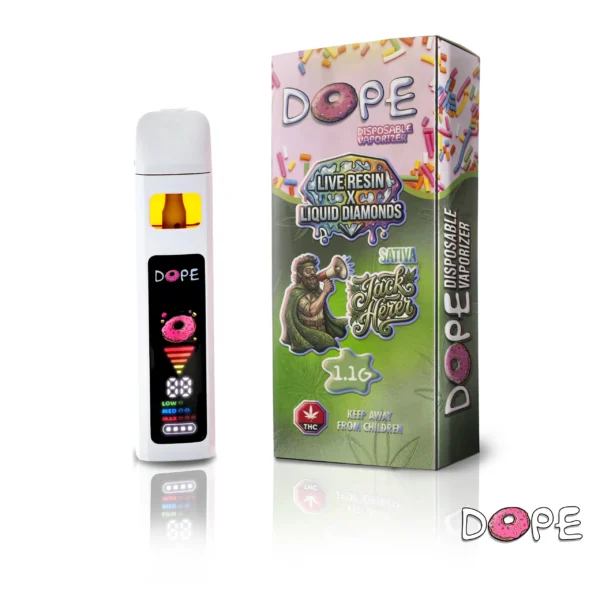 Vapes21 products
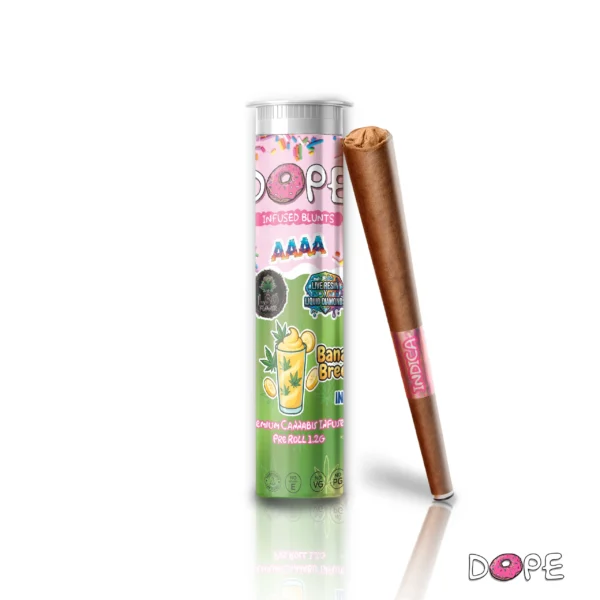 Pre-Rolls5 products
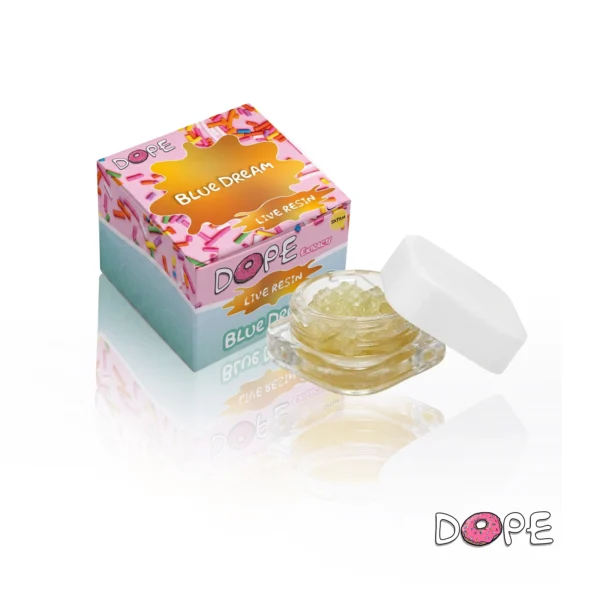 Packaged Extracts12 products
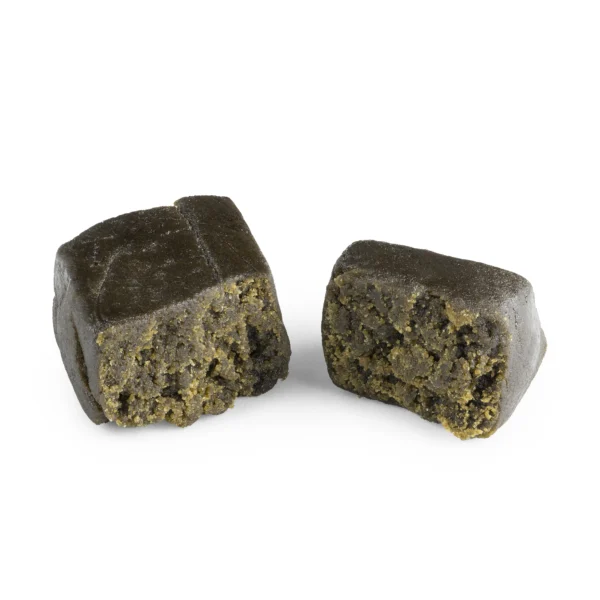 Hash4 products
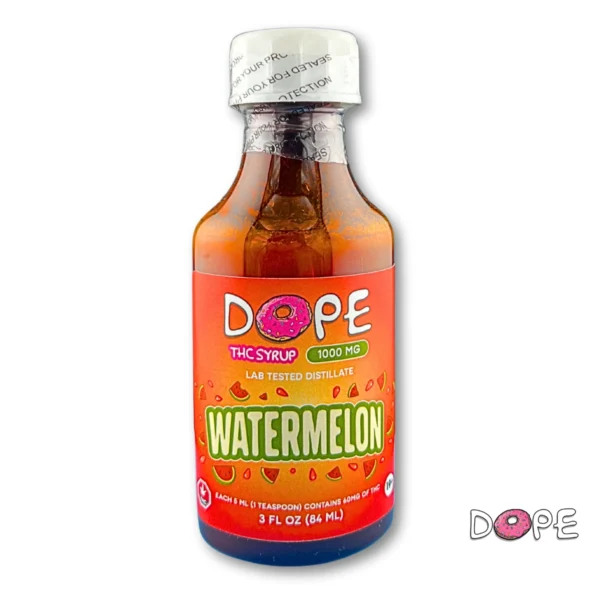 Edibles1 product
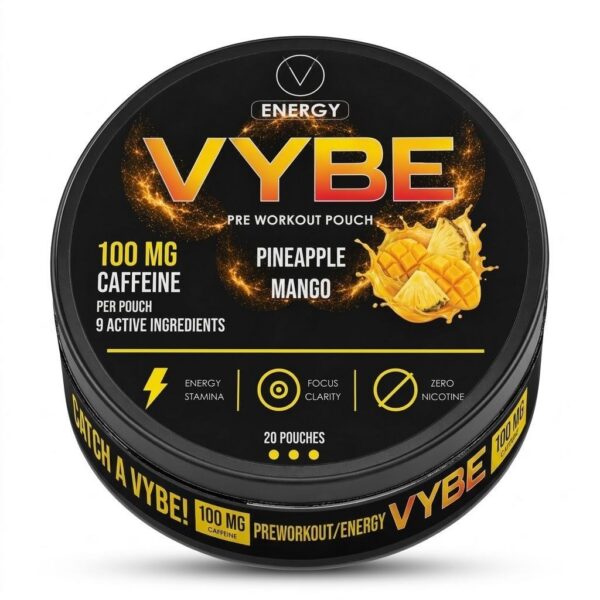 Caffeine Pouches1 product
 Gear11 products
 Bulk
Bulk DOPE Cartridge 2gMix n match case
 DOPE Disposable 2gMix n match case
 DOPE Disposable 1.1gMix n match case
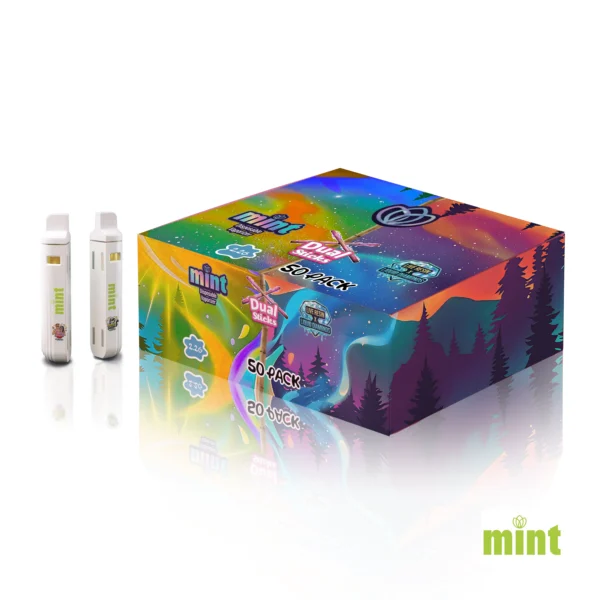 Mint Dual Sticks 2.2gMix n match case
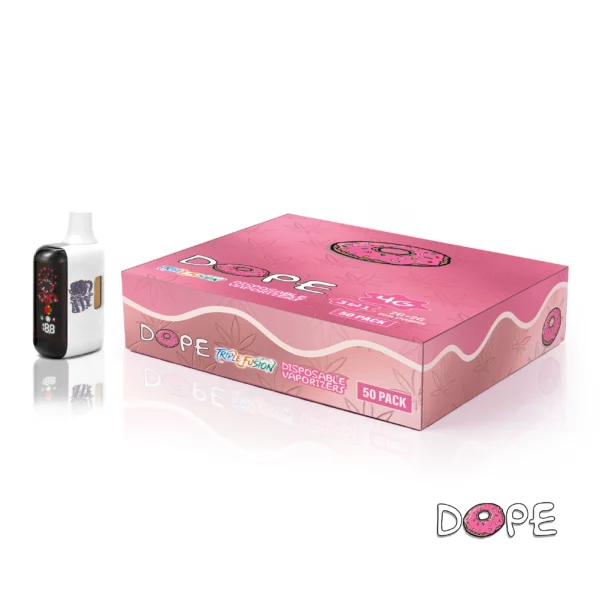 DOPE Triple Fusion 4gMix n match case
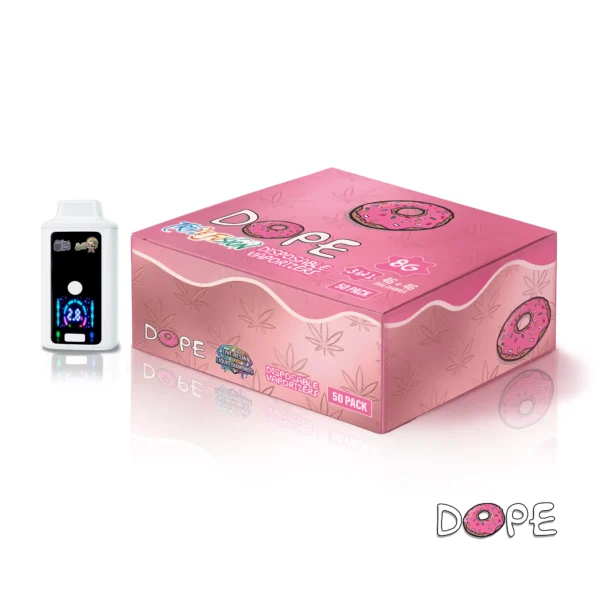 DOPE Triple Fusion 8gMix n match case
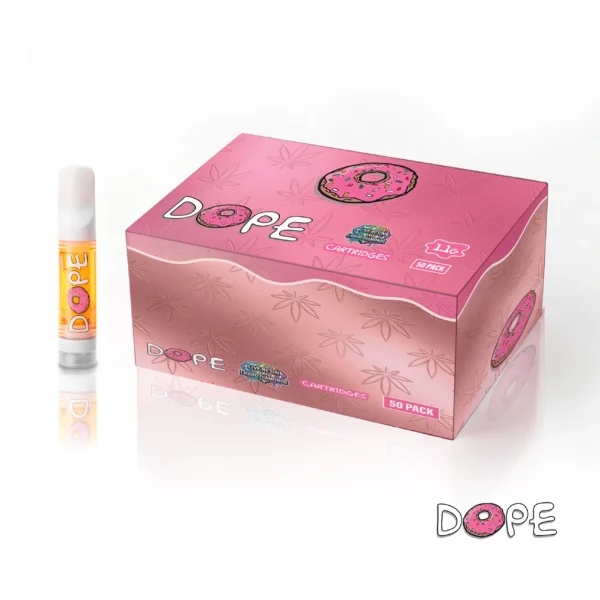 DOPE Cartridge 1.1gMix n match case
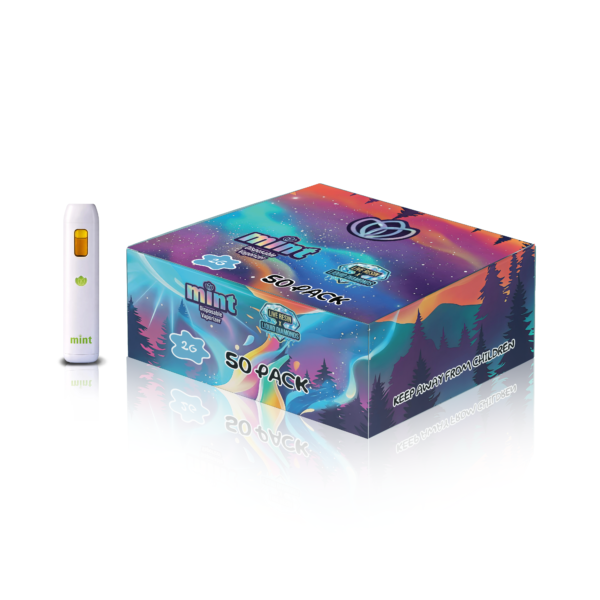 Mint Disposable 2gMix n match case
 Flower
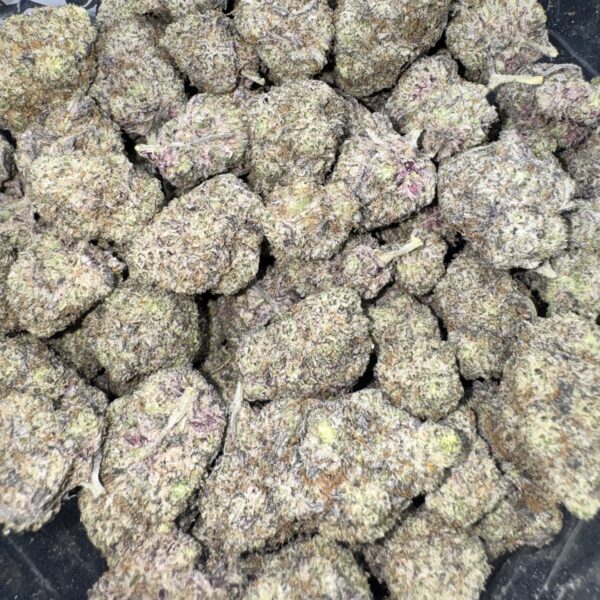 AAAA+8 products
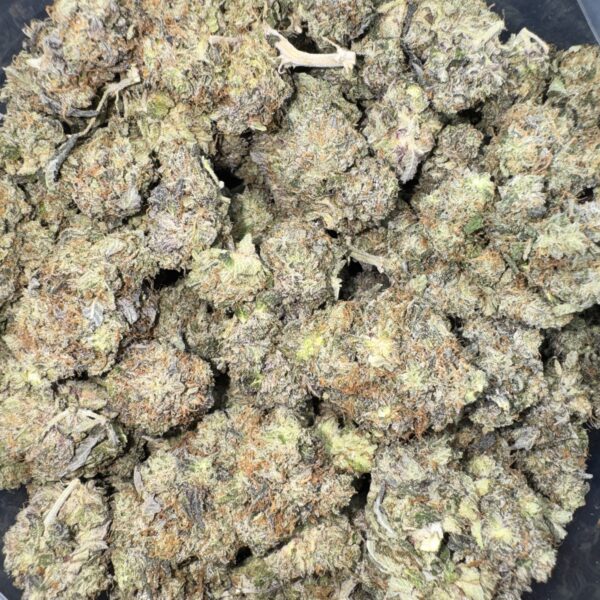 AAA+30 products
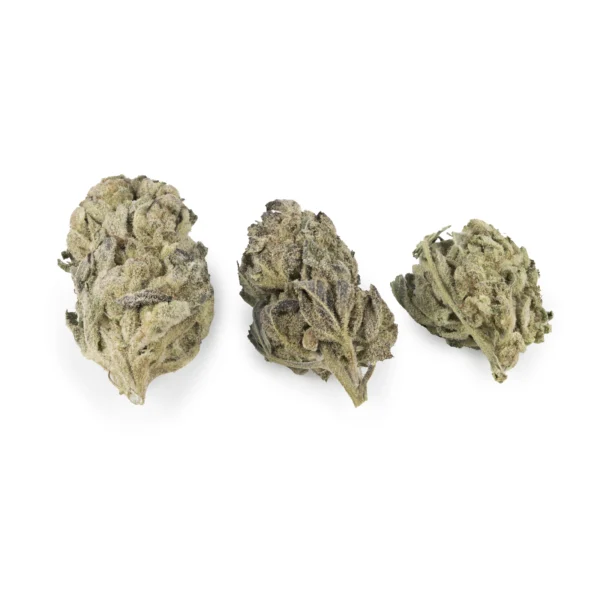 Indica14 products
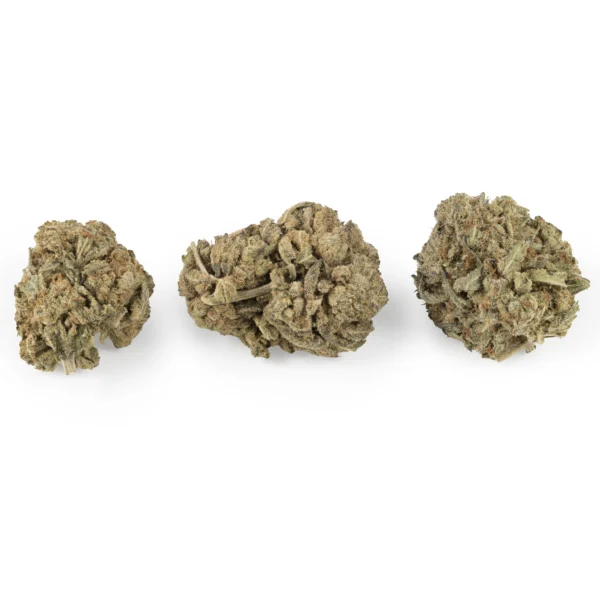 Sativa6 products
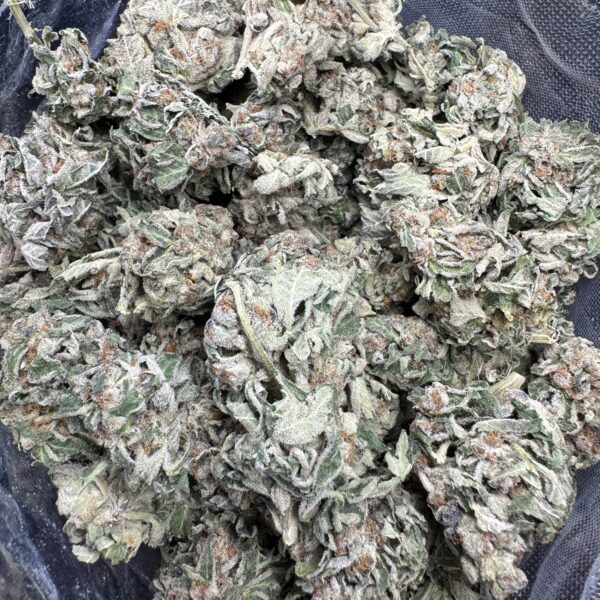 Hybrid12 products
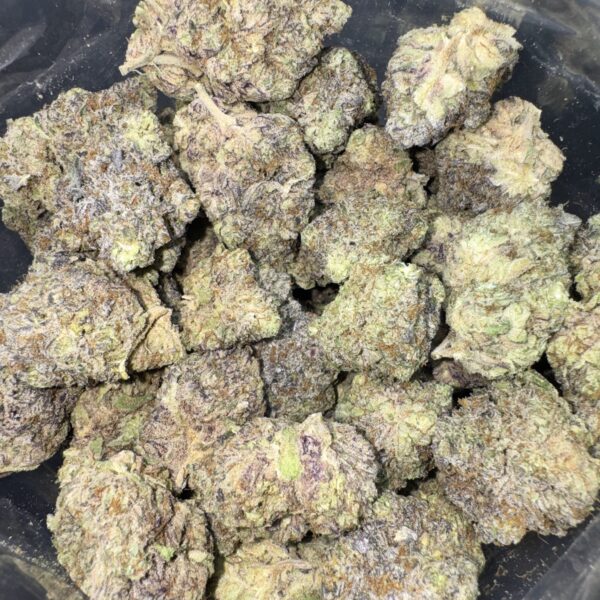 Ounce Deals33 products
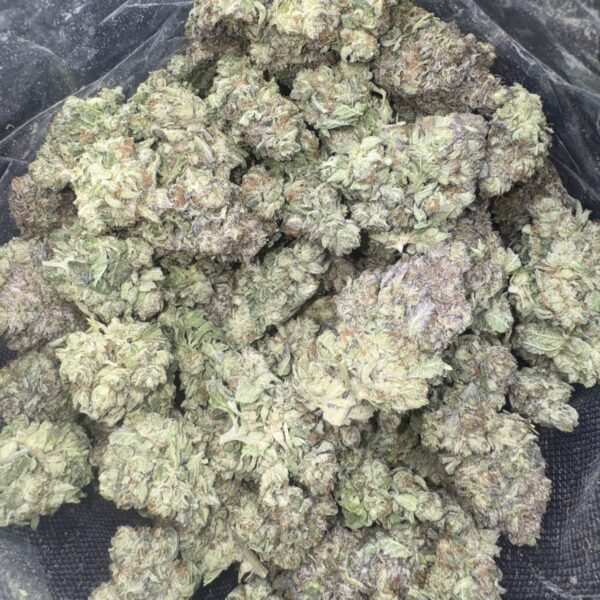 Bulk Flower23 products
 Vapes
Vapes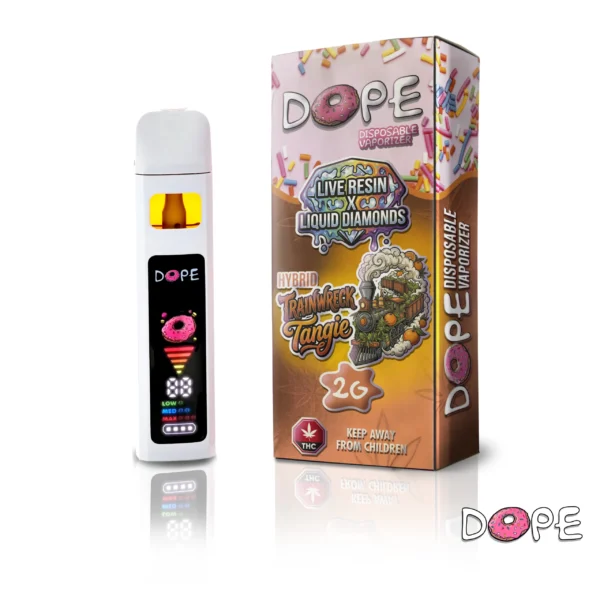 Disposable17 products
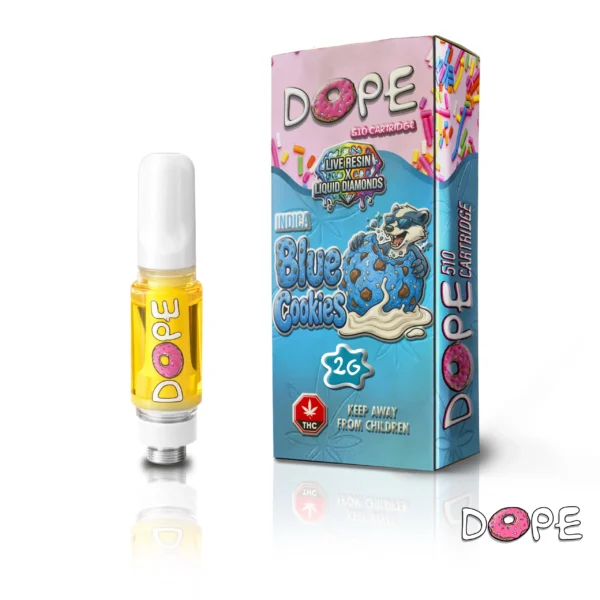 510 Cartridge4 products
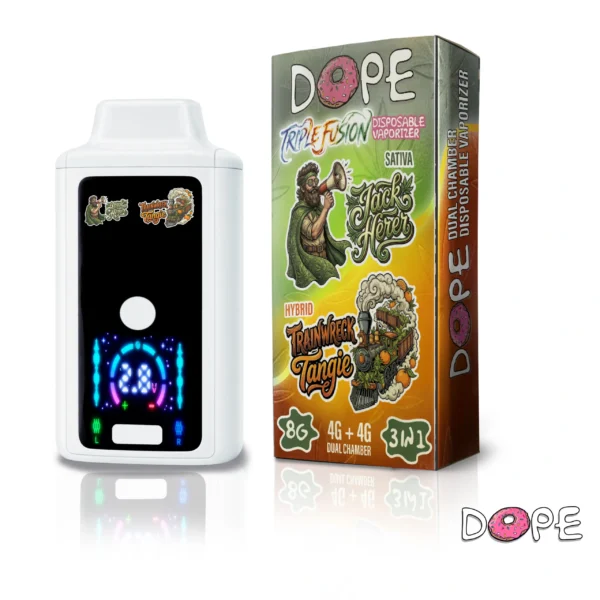 NewDOPE Triple Fusion4 products
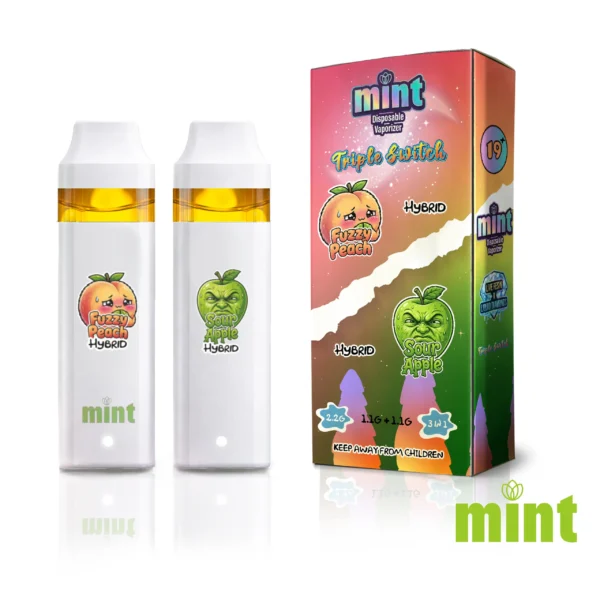 NewMint Triple Switch1 product
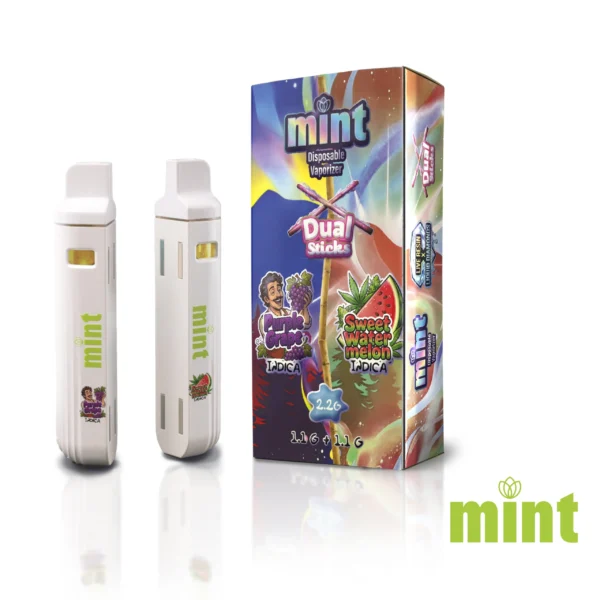 NewMint Dual Sticks2 products
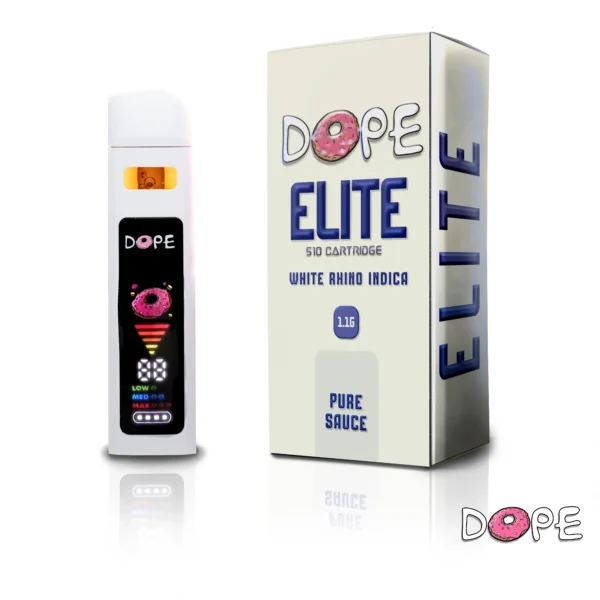 DOPE30 products
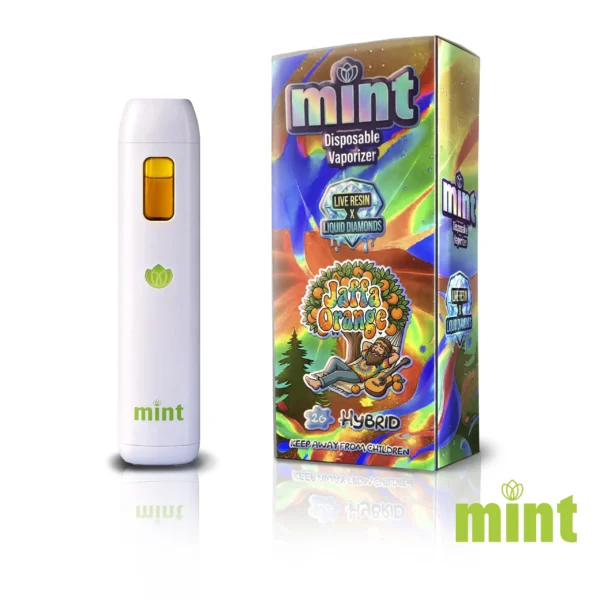 MINT8 products
 Pre-Rolls
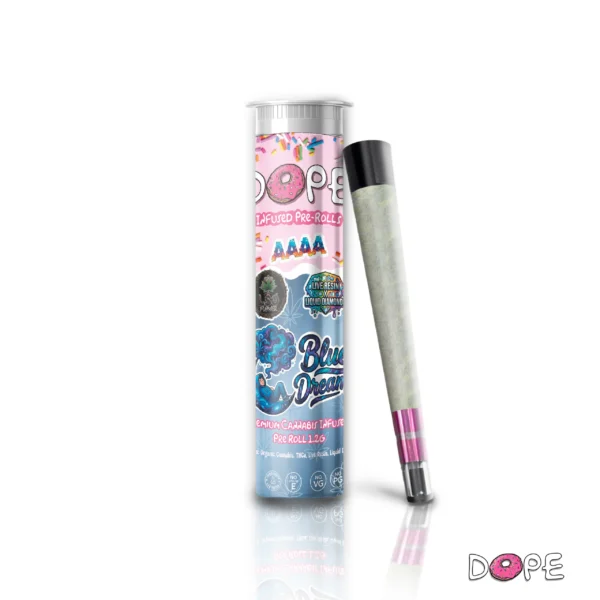 Infused5 products
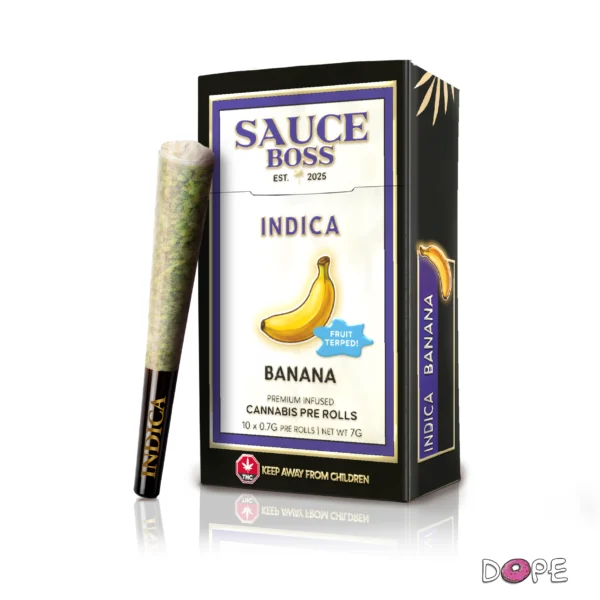 Infused Packs1 product
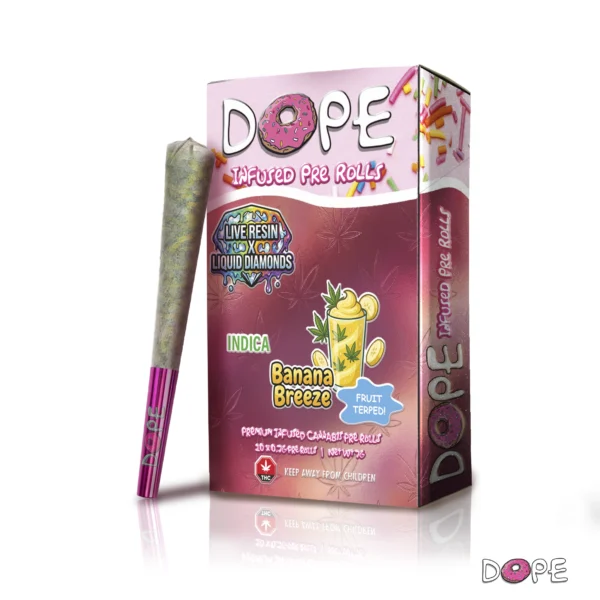 DOPE Infused Packs10 x 0.7g pack
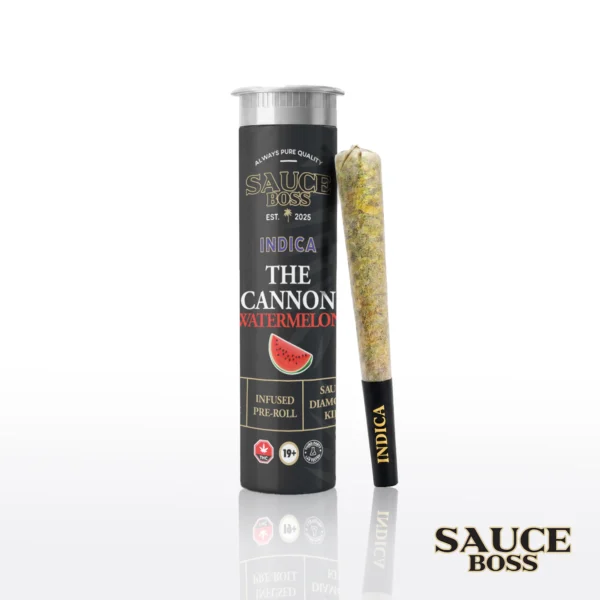 Sauce Boss InfusedThe Cannon, 1.2g tube
 Bulk Extracts & Oils
 Diamonds3 products
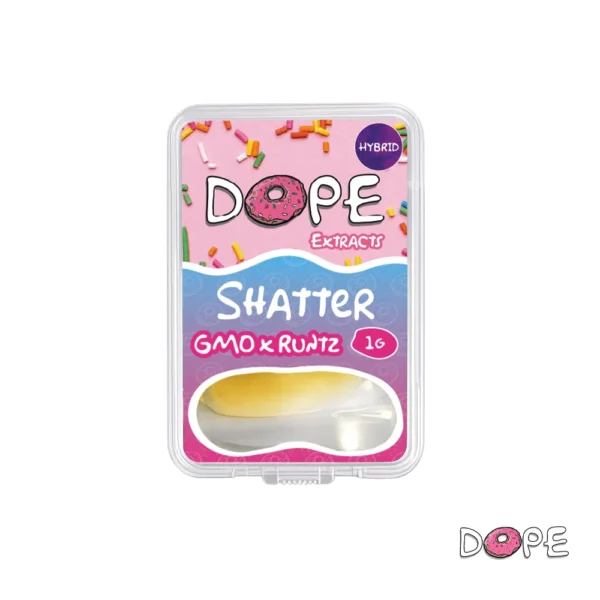 Shatter2 products
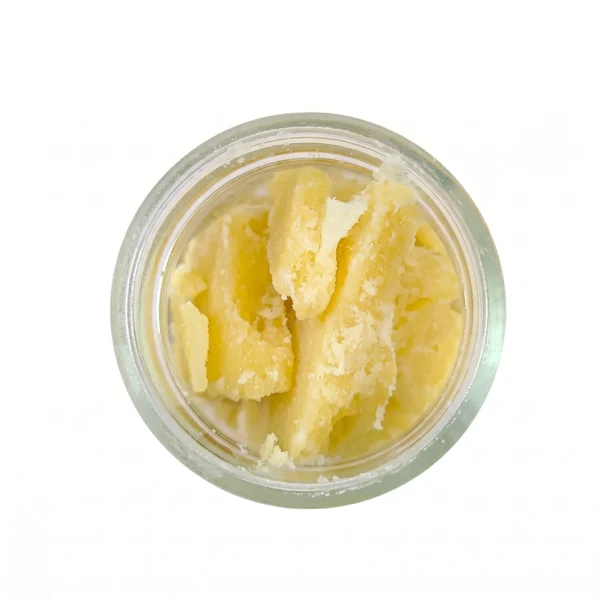 Budder2 products
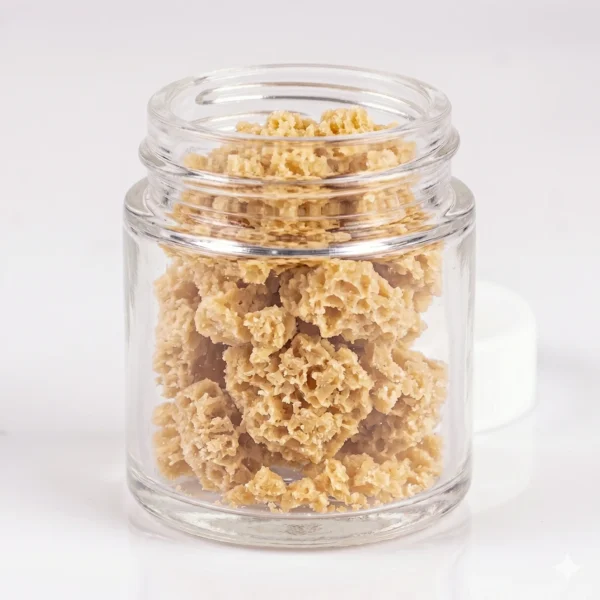 Crumble1 product
 Packaged Extracts
 Hash
Hash Edibles
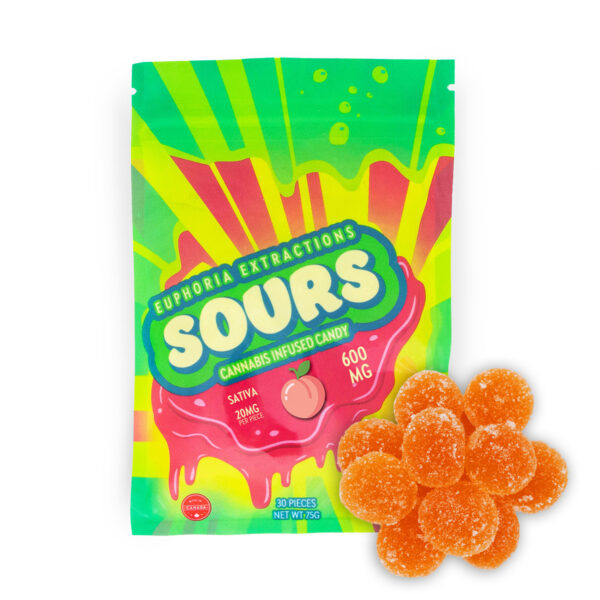 Euphoria Extracts7 products
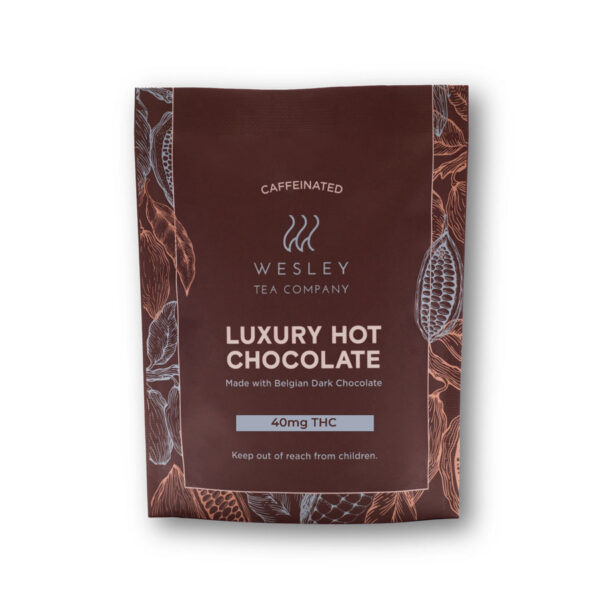 Wesley Tea1 product
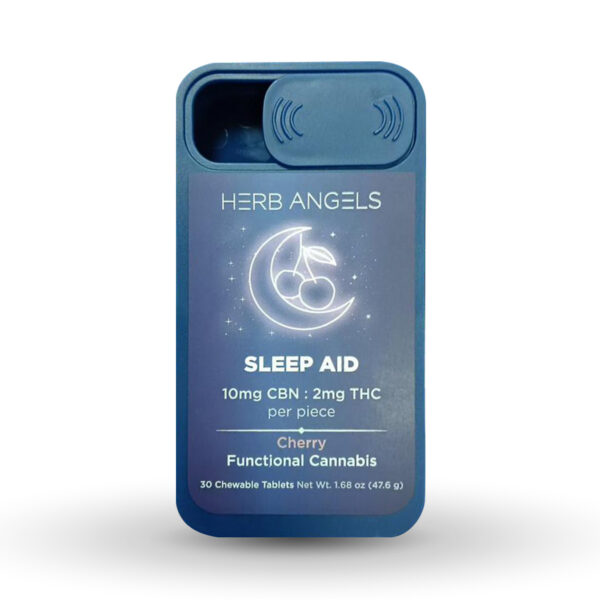 Herb Angels6 products
 Exotic Treats
 Energy
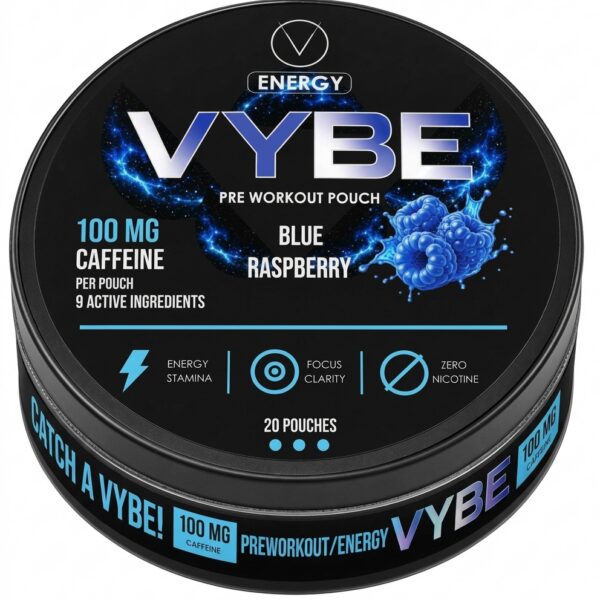 Blue Raspberry100mg
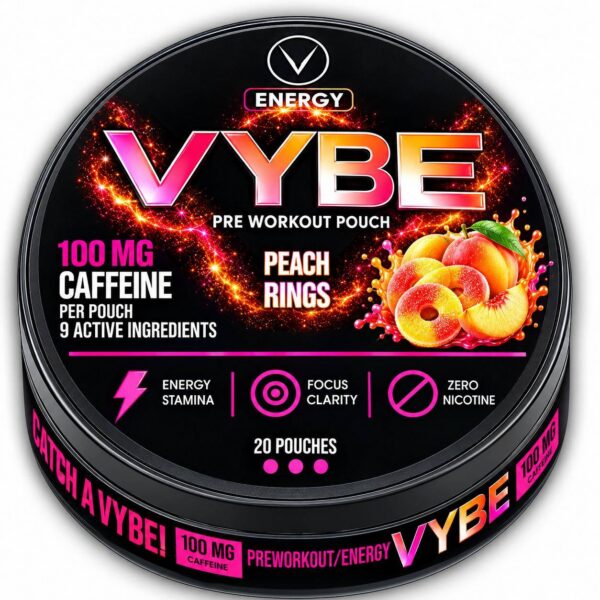 Peach Rings100mg
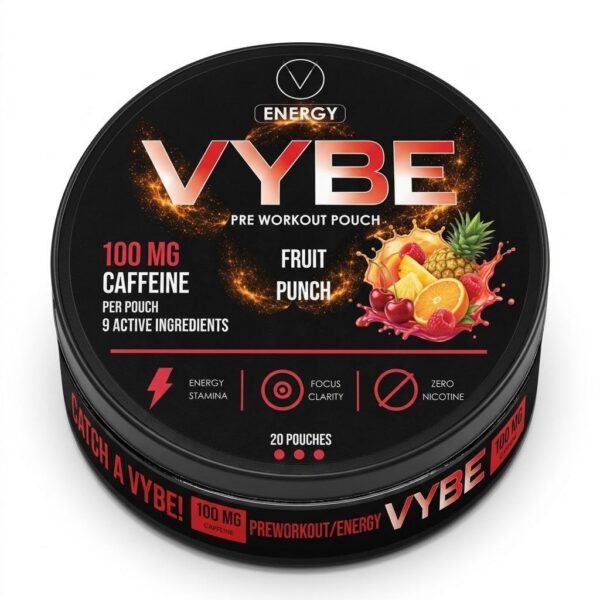 Fruit Punch100mg
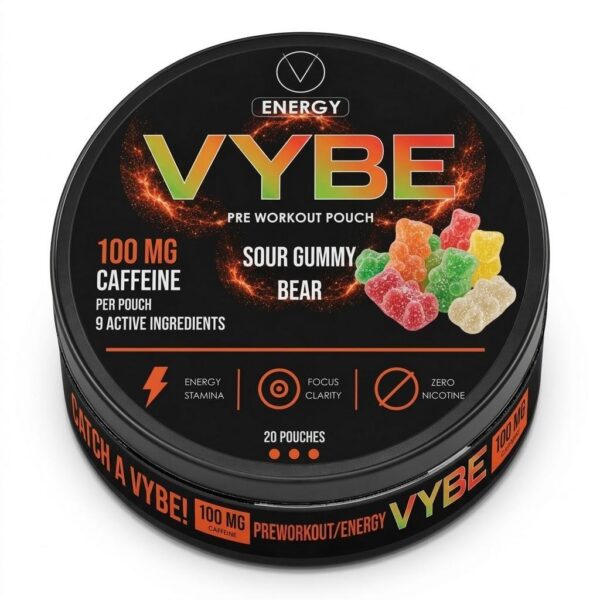 Sour Gummy Bear100mg
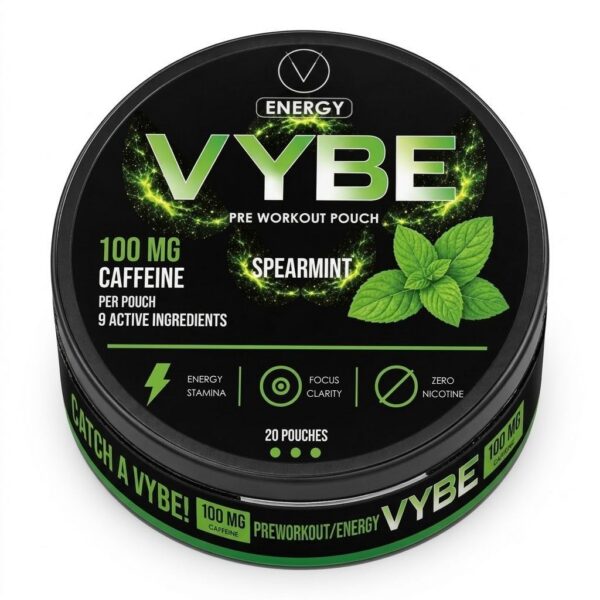 Spearmint100mg
 Wellness
 Male Enhancement
 Spa/Orals
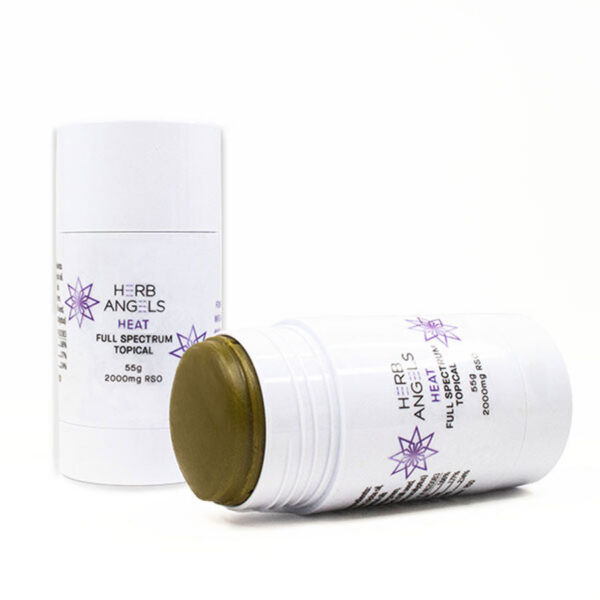 Herb Angels6 products
 Gear
Gear
Weed Hangover: Why 20 Studies Could Not Find One
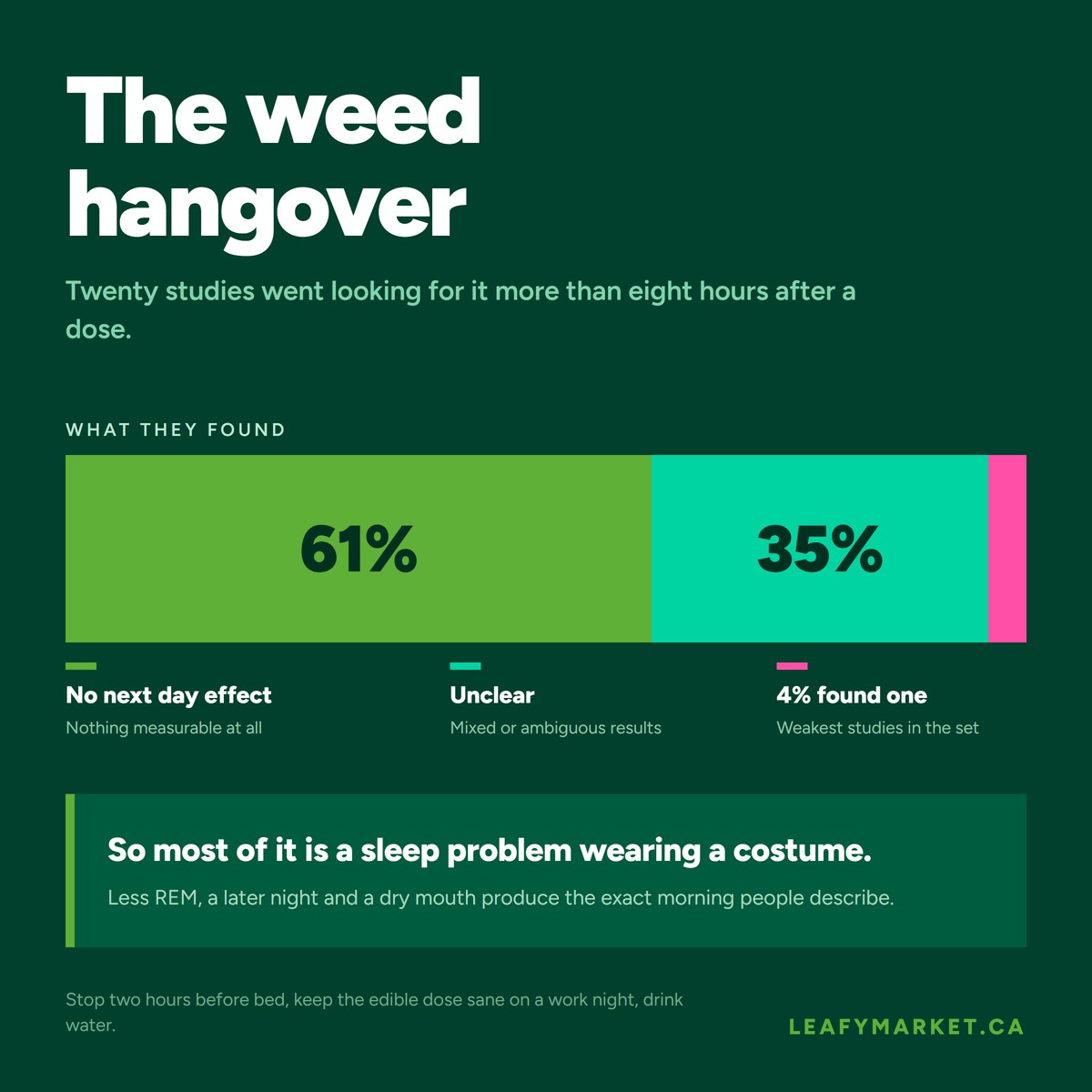
Sixty one percent of studies found no next day effect. So what is the fog? Sleep, dose and timing explain the morning better than lingering THC does.

You wake up foggy, your head feels packed with wool, and getting through the first hour takes real effort. You smoked last night. The two must be connected.
Maybe. The research on this is a lot less certain than every article you have read about it, and the gap between what people report and what studies find is the most interesting part of the whole subject.
What the studies actually found
In 2022 a group at the University of Sydney went through 20 studies that tested people on THC more than eight hours after they used it. That is the window a hangover would sit in.
Sixty one percent of those studies found no next day effects at all. Another thirty five percent found results the reviewers called unclear or ambiguous. Four percent found a negative effect, and those came from the weaker studies in the set.
Counted by individual performance test rather than by study, only 12 tests out of roughly 340 showed real next day deterioration. That is three and a half percent. The reviewers concluded there is limited evidence that cannabis impairs next day performance.
The study people usually cite for the other side is Chait, Fischman and Schuster from 1985. Thirteen men smoked either a 2.9 percent THC joint or a placebo and were tested nine hours later. The THC group did measurably worse at card sorting and recall.
Thirteen men, all male, one dose, forty years ago. One of the same researchers later ran a follow up that found no residual subjective intoxication and almost nothing affected on the behavioural tasks or mood scales. A 1998 study with ten men found much the same.
So the honest summary is that the effect either does not exist or is small enough that careful testing keeps missing it.
Then what is the feeling
Something is clearly going on, because too many people report the same morning for it to be nothing. It just might not be the thing people call it.
You slept badly and did not notice. This is the most likely explanation and the most overlooked. THC changes sleep architecture. You fall asleep faster, which feels like better sleep, and you spend less of the night in REM. Waking up after a short-on-REM night feels almost exactly like what people describe as a hangover. The evidence here is also messier than it gets presented, and a recent review admits the right dose and timing are still unknown, but it lines up with the symptoms better than anything else.
You had a late night. Weed is social and it keeps you up. Separating the cannabis from the four extra hours awake is something almost nobody does.
Dry mouth and dry eyes carry over. Cannabinoid receptors sit in the salivary glands, which is why your mouth goes dry while high. Waking up parched and headachy has an obvious cause that has nothing to do with lingering THC.
You are still high. Especially after edibles. A long tail from a heavy dose is not a hangover, it is the back end of the same experience, and the difference matters because one of them wears off on a clock you can predict.
The edible asterisk
Nearly all the research above was done on smoked cannabis. Edibles get studied far less, and the research that does exist is old.
A 1973 study on oral THC used as a sleep aid at 10 to 30mg found that the after effect got stronger and lasted longer as the dose went up. Small, dated, and the only thing close to direct evidence on this.
Which matches what people say. Nobody reports a morning like that from a joint. Plenty report it from 50mg of gummies at 11pm.
The mechanism people cite for this is 11-hydroxy-THC, the compound your liver makes when it processes swallowed THC. It is more potent than THC itself and it is why edibles hit differently. How long its effects persist the next morning has not actually been measured, so treat the confident explanations you see as guesswork.
Telling three different things apart
These get lumped together and they are not the same problem.
Still high. Hours after an edible or a heavy session. Time distortion, altered perception, the actual effects just quieter. Wears off on its own schedule.
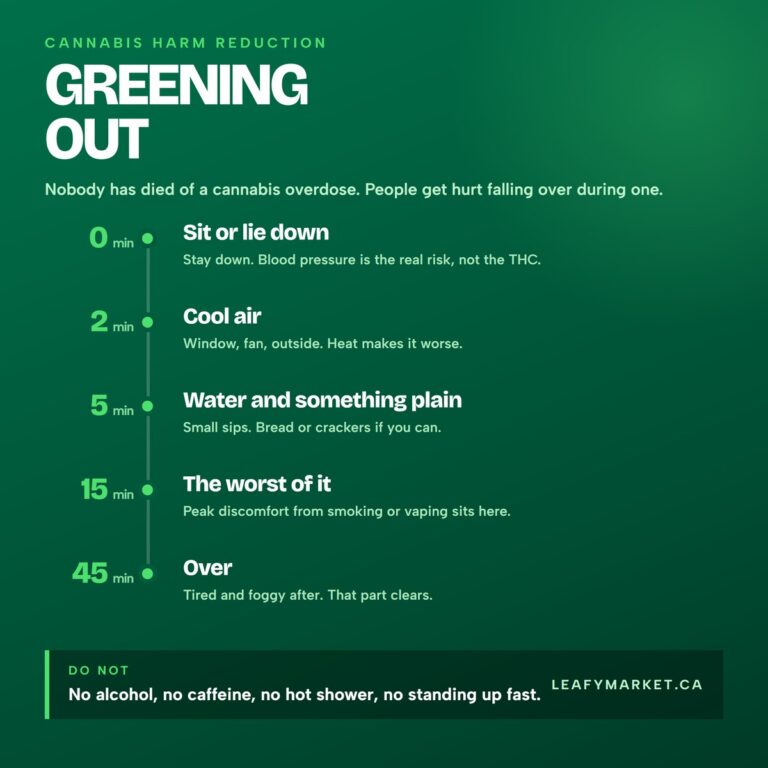
Greening out. Happens while you are high, not the next day. Nausea, cold sweat, racing heart, the room moving. That one has its own handling and we covered it in the greening out guide.
The morning after. Fog, flatness, a dull head, slow start. No perceptual changes. This is the one in question, and it behaves much more like poor sleep than like a drug effect.
How to not have one
Everything that works here is boring and none of it involves a product.
Stop earlier. Two or three hours before bed rather than as the last thing you do. It gives the sedation time to pass so you are falling asleep normally rather than being knocked out.
Watch the edible dose on a weeknight. 10mg at 9pm is a different proposition to 40mg at midnight. If you are unsure where you sit, start lower than you think.
Drink water before bed. Low effort, addresses the dry mouth and the headache that comes with it.
Do not stack it on alcohol and then blame the weed. Alcohol has a hangover with an actual established mechanism behind it.
If the fog is becoming routine, your tolerance is probably the real story. A few days off resets more than people expect, and the tolerance break guide covers what to expect from one.
If you already feel it
Water, food, and something to do. Caffeine helps the way it helps any tired morning, which is to say it covers the symptom rather than fixing anything.
A cold shower and twenty minutes of moving around does more for the fog than anything you can swallow.
It passes by late morning. If it is still there in the afternoon, that was not a hangover.
Questions
Can you get a hangover from weed?
People report one. Controlled studies mostly fail to find it. Both of those are true and the likeliest reconciliation is that it is a sleep effect rather than a drug effect.
How long does it last?
For the people who get it, a few hours after waking. Anything lasting into the evening is more likely to be a bad night or something unrelated.
Do edibles make it worse?
That is the common report and the one 1973 dose study supports it. Modern research on it is thin.
Does CBD help?
No evidence either way. It is a reasonable thing to try and an unreasonable thing to promise.
Does it mean the weed was bad?
No. Dose, timing and sleep explain the morning far better than the flower does.
Does strain matter?
Indica leaning strains are more sedating, which affects when you fall asleep more than how you wake up. No research connects a particular strain to a next day effect.
The short answer
Most of what gets called a weed hangover is a sleep problem wearing a costume. Smoke earlier, keep the edible dose sane on a work night, and drink some water, and the morning usually sorts itself out.
Our flower range lists the type on every strain, and the ounce deals are where most of the daily driver stock sits.
For adults of legal age. Do not drive or operate machinery while impaired.

 Terpy Vibes
 QuadZaZa
 Brindle Farms
 Hermit
 Vapes
Vapes Pre-Rolls
 Bulk Extracts & Oils
 Spa/Orals
 Gear
Gear